Imagine you’re walking through the woods.
And suddenly, a lion steps out in front of you.
Your heart starts racing.
And before you’ve even had a thought, your body is already moving.
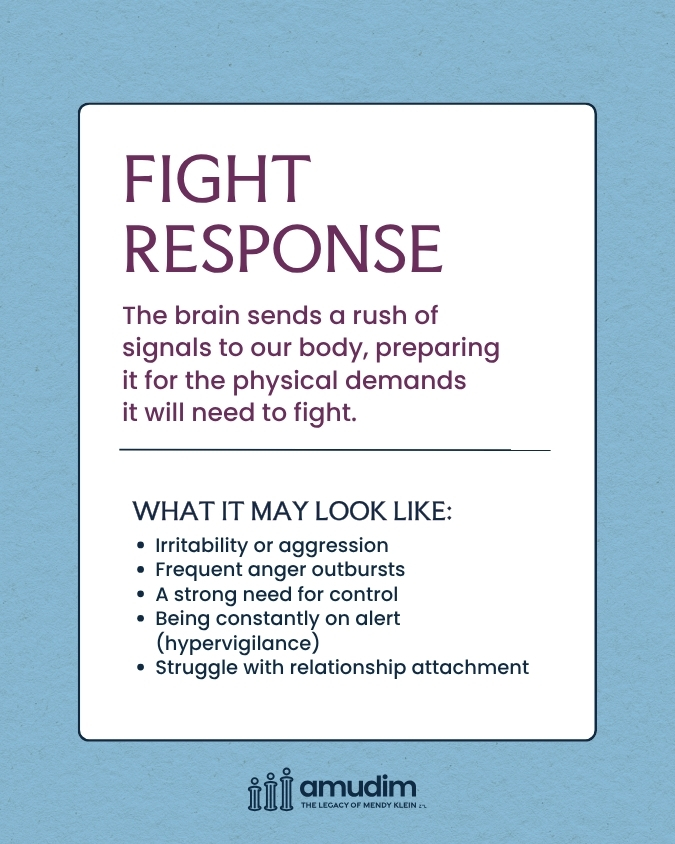
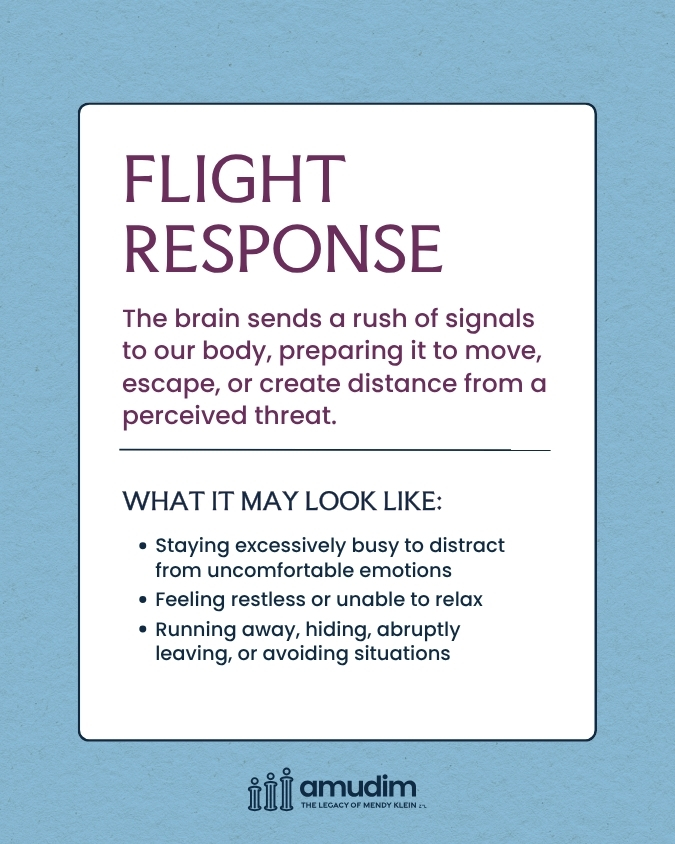
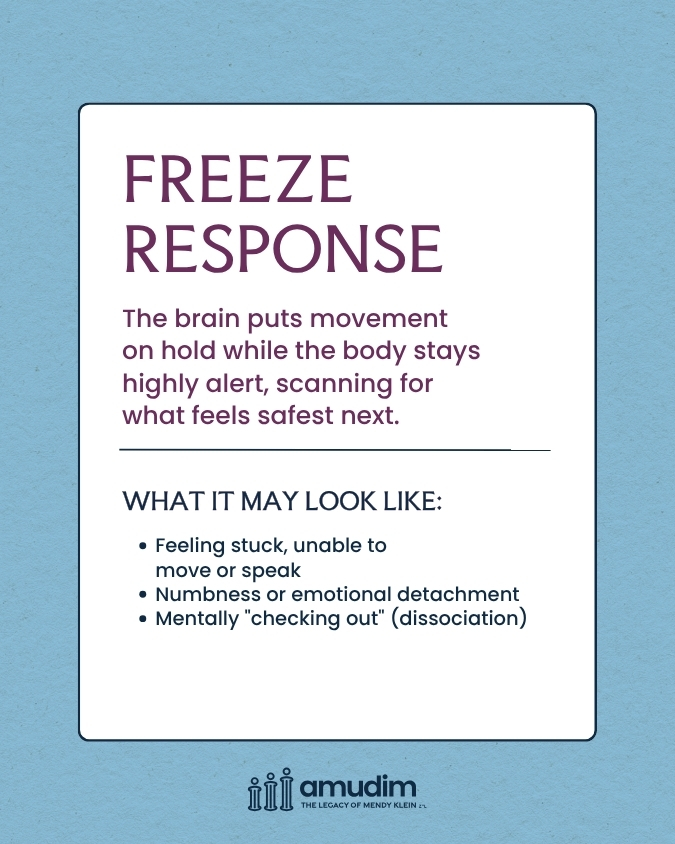
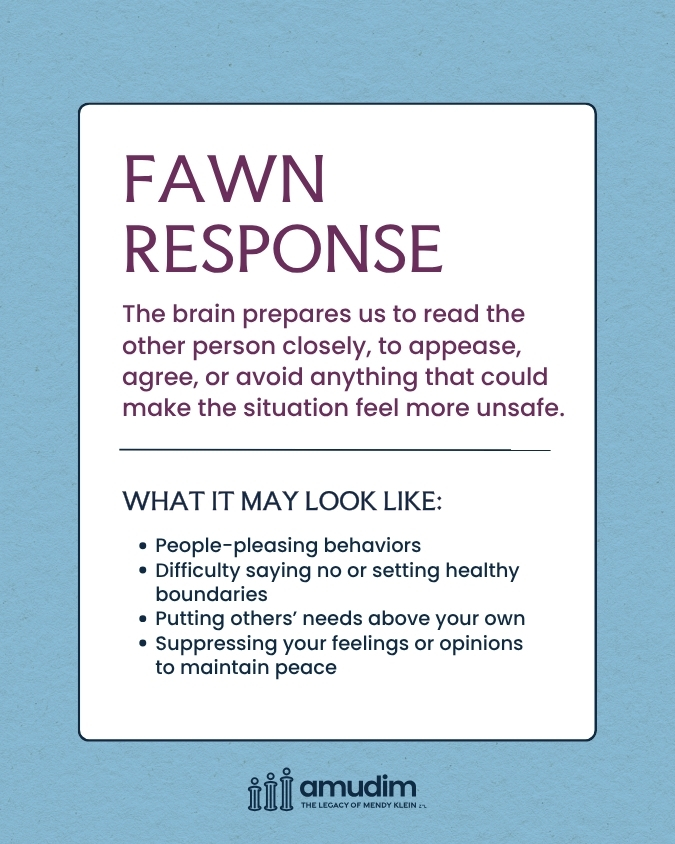
You didn’t decide if you wanted to fight or run. Your brain picked an option for you and told your body to perform that task.
Our brain’s main job is to protect us. So in a moment of danger, it doesn’t wait for you. It just takes over.
The amygdala that lives deep in our brains is part of our alarm system, and it’s always scanning.
It works by checking what’s happening right now against everything the brain has stored from before. That’s how we know fire is hot without having to think about it. Our eyes see fire, brain checks related files, and sends a message to us: this is hot, proceed with caution. It’s doing this all the time. In every room you walk into, every person you encounter, every sound and smell that reaches you.
The moment it picks up on something that it thinks threatens your safety, it takes charge.
It decides what your body needs to survive right now.
It keeps your heart pounding. Your muscles ready. Your senses sharper than they’ve ever been.
And it turns down two things that would only slow you down.
The prefrontal cortex, our thinking brain, the part responsible for making decisions, finding the right words, and making sense of what’s happening.
And the hippocampus, our memory center, the part that turns our experiences into organized stories with a beginning, a middle, and an end.
And sometimes, after a threatening experience, we need to help our brain make sense of what happened during the event.
Because when our hippocampus was quieted, it may not have stored whatever happened as a complete story. Instead, they show up as fragments. A smell. A sound. A feeling in the body. A flash of a moment.
And then later, sometimes even years later, something can happen during the day that reminds the amygdala of the original event. Not because your body is in a similar situation, but because it picked up an unprocessed piece of a story, checked related files, didn’t find much but “danger”. It reacts in the way it was designed, and jumps right back into that protection mode.
Two people can go through the same event, and one brain may activate full protection mode while the other doesn’t. That call was made for them, not by them. Their brains responded in a split second, based on what seemed most likely to help them survive the moment.
Once we understand that, we can start working with our brains to come back to a place of calm. Instead of fighting against what our bodies are doing, we can start asking what we need in order to feel safe again.
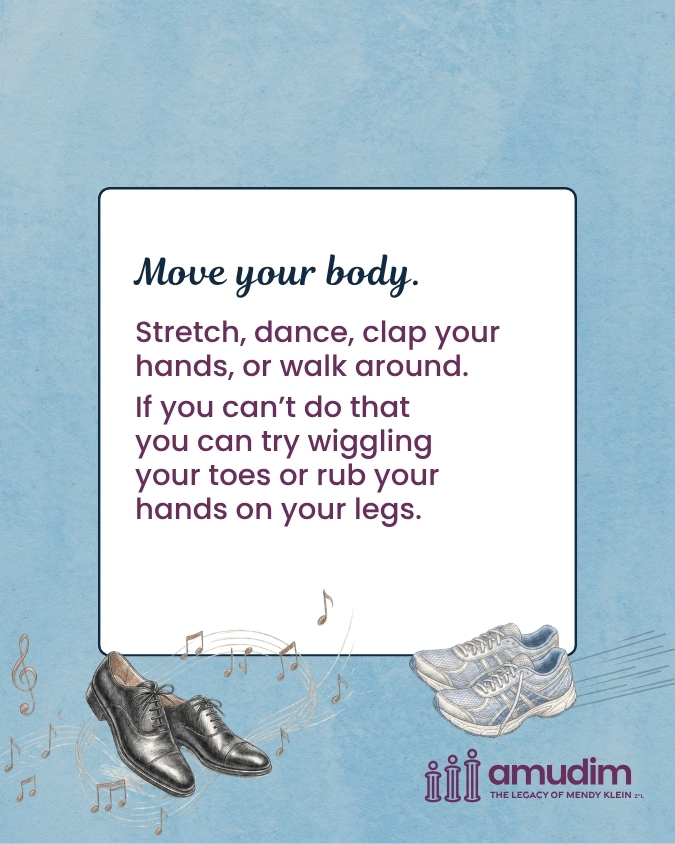
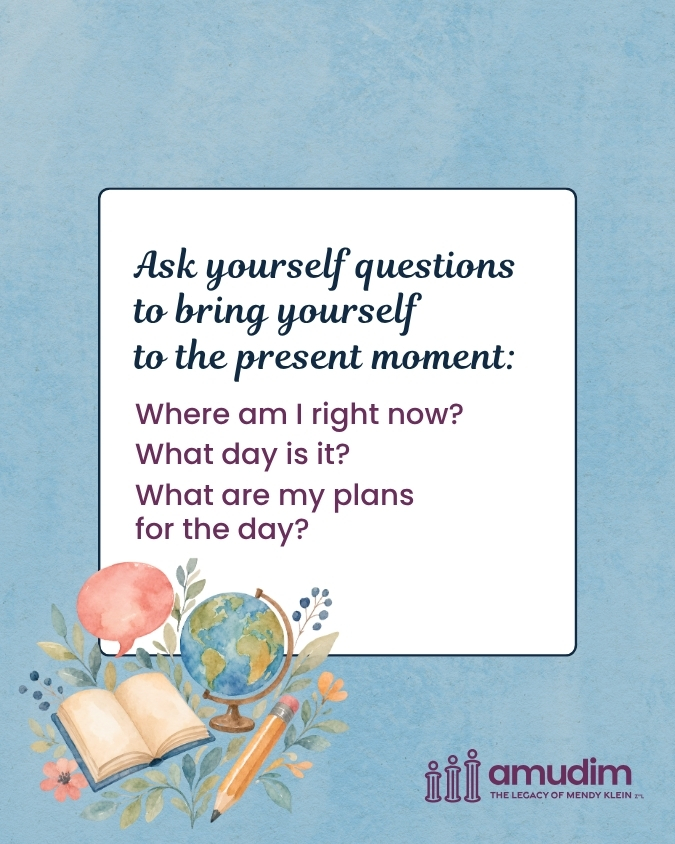
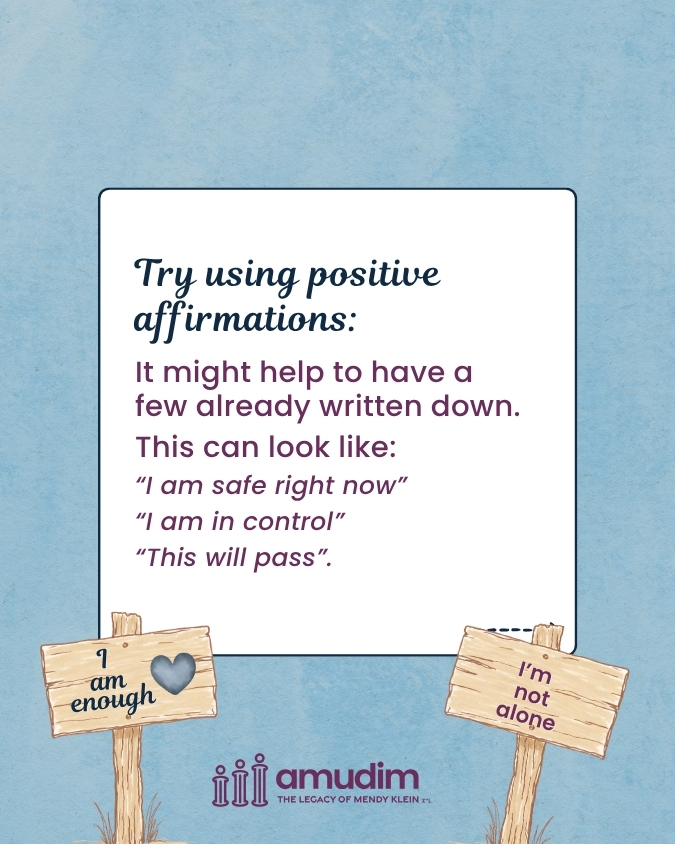
That is exactly what healing makes space for. Through therapy and grounding techniques, the brain and body can begin to understand that those reminders belong to then, not now.
Different things work for different people. Some find their way through one approach. Others through a few. Others through something they never expected to help.
And if something isn’t helping you, you are allowed to try something else. You are still here because you are a survivor. You are watching this now, trying to better understand yourself because you are a warrior. You have the power within to find that safety again.
You also don’t have to do that alone, if you need help finding the next step forward, Amudim is here. Give us a call and together, let’s help you rediscover what safety feels like.