When we began this series, our hope was simple: to share practical, grounded tools that help parents bring more emotional awareness, connection, and calm into their homes.
Since then, we’ve been so encouraged to see how many parents are engaging with this content, using the tools, sharing them, and asking for more.
So we’re continuing.
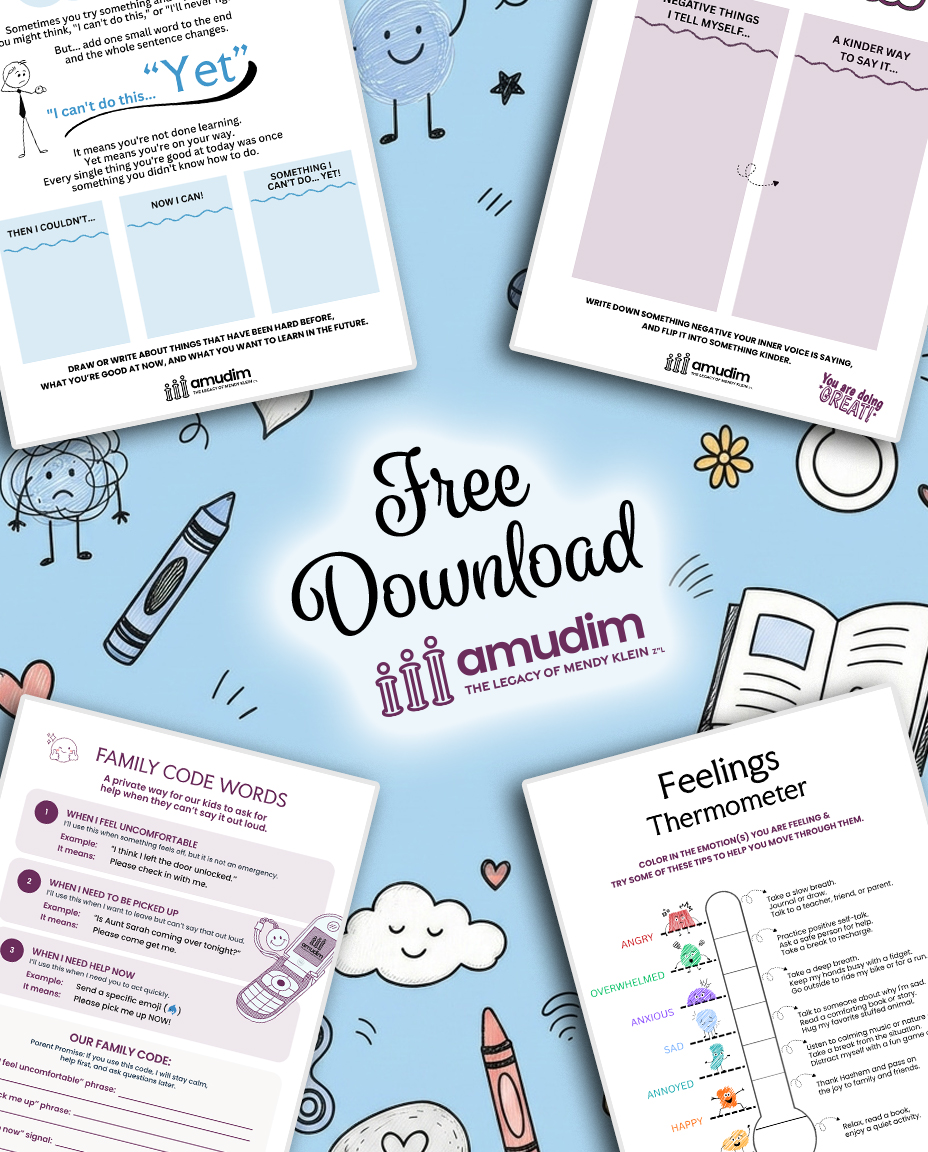
Today, we’re sharing a collection of free downloadable worksheets for parents and children to use together – tools to help children name big feelings, communicate when they need support, practice kinder self-talk, and build confidence one small step at a time.
Goal setting can help our kids learn more about themselves, recognize their strengths, and begin to see how small steps can turn into growth.
As they work toward a goal, they begin to understand that their choices and effort matter. Little by little, they practice thinking ahead, making decisions, taking responsibility, staying with something over time, and feeling proud of the progress they are making.
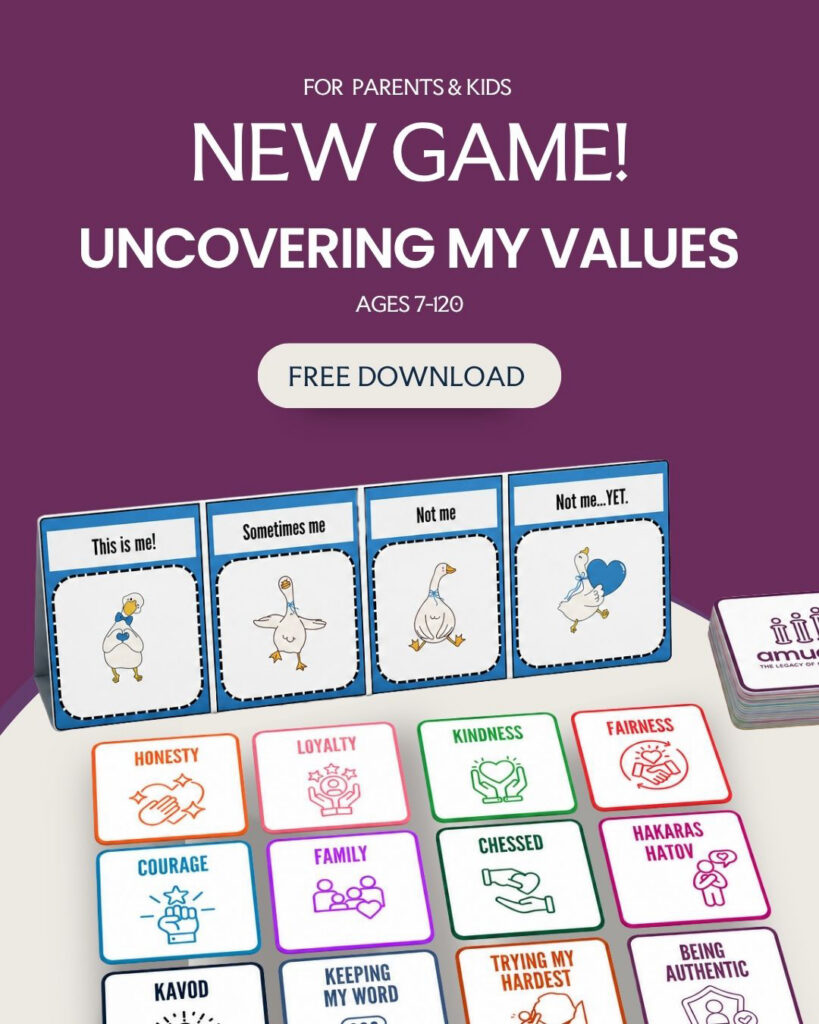
We spend so much time teaching our kids what matters. This game gives us a chance to hear what matters to them.
Made for parents and kids, it opens a conversation about the values that feel most true to each person and why. There are no wrong answers, and grownups play too.
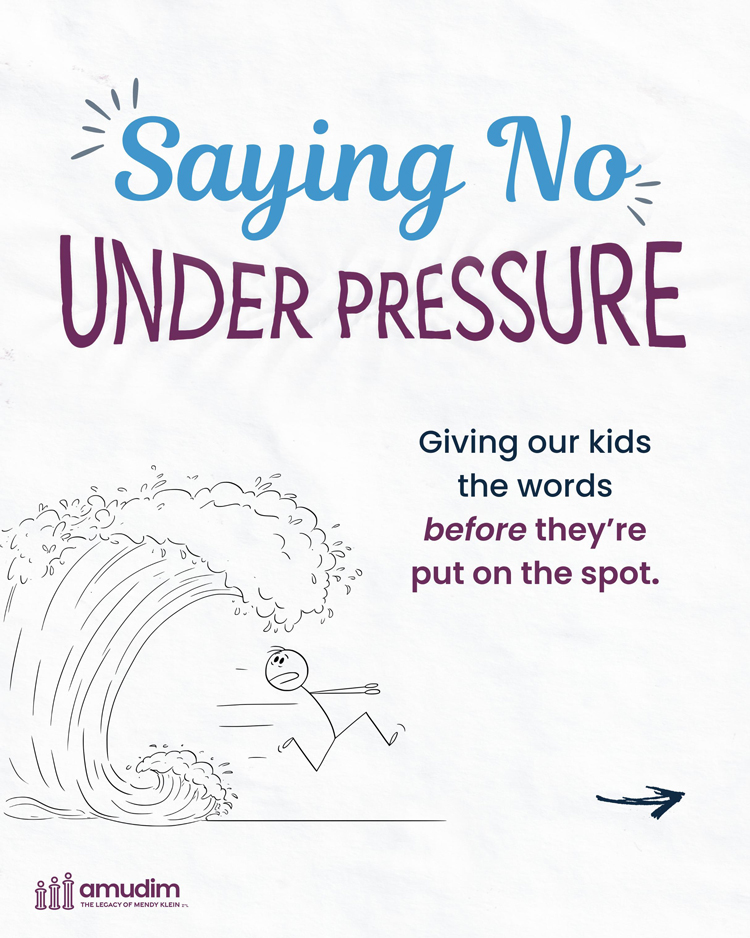
A lot of the time, our kids already know what not to do.
But in the moment, what they often need is help knowing what to say and what they can do next.
We can help them find language that feels natural to them while asking questions that encourage them to think more deeply about the people around them: Who makes it easier for them to be themselves? Who respects their choices, even when they are different?
Then, when the pressure comes, they already have several ways to respond within reach.
Peer Pressure can be faced with confidence when our kids are equipped with assertive language that feels natural to them.
The Pressure Rises is a free printable activity that encourages kids to think through real-life situations, carefully choose a response and notice what happens when the pressure keeps building.
We hope this opens up some amazing conversations in your home!
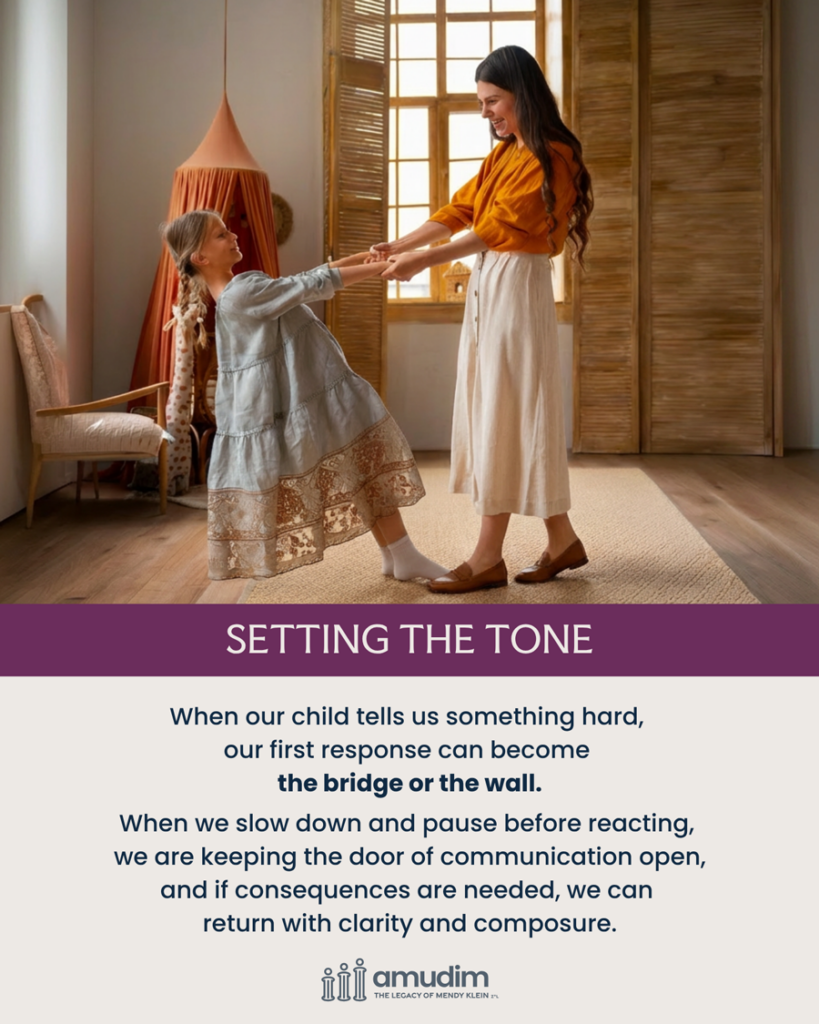
When our child tells us something hard, our first response can become the bridge – or the wall.
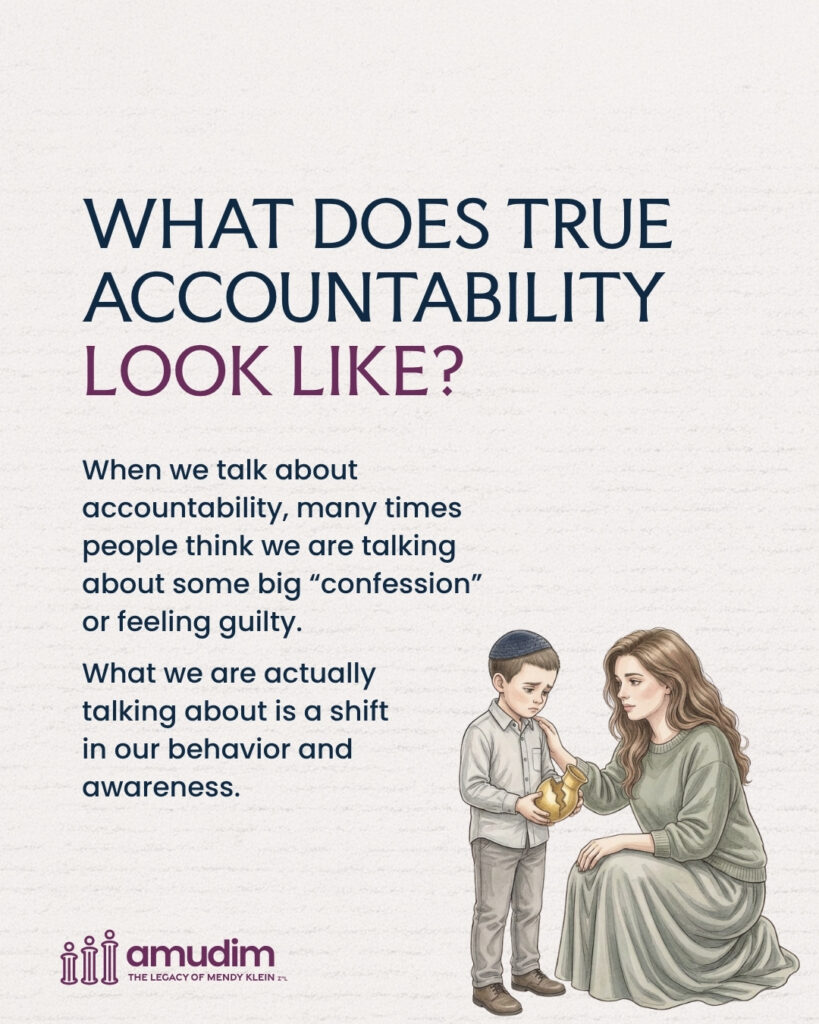
This week, we have been talking about accountability and repair.
We began with the way our children learn from how we respond when we are the ones who make mistakes. When we go back, take ownership, apologize, and repair, we show them that a mistake doesn’t have to be the end of the story.
But there is another side to this: Today we will look at what happens when our child is the one who made the mistake.
When home feels steady enough for our children to come close, settle in, and be themselves, they don’t ever have to wonder if there is space for them.
The tone around them sends a message before we ever say a word:
You are safe here, you are loved, and most of all… you belong.
To everyone here following along with this series: we are honored to be walking alongside you.
Stay tuned. Next week, we move into Resilience & Self-Worth.
Week 1: Naming emotions
POST
The backpack hit the floor. Now what?
A kid who throws their backpack across the room after school isn’t trying to ruin our afternoon.
They are overwhelmed and just trying to catch their breath. Putting words to what happened – on the bus or in class – probably feels impossible when they don’t know how to name exactly what it is they’re feeling.
When we approach them with this understanding and help them find words for what’s going on inside, something shifts.
They start learning how to move through their emotions more steadily instead of being overtaken by them.
VIDEO
Give the Feeling a Name
“If a child is given that gift of feeling listened to, which allows them to then be able to consider tools for healthier living like ‘naming that monster’ with language, which allows them to then regulate and have accountability, then they’re going to feel so much better about themselves. They’re going to feel much greater self-worth, self-esteem, because they feel like they’ve got this with you at their side. And that’s the greatest feeling a parent can have to increase and to foster greater resilience in your children.“
– Rabbi Avi Landa, LCSW, Director of Education, Amudim
Article
When Kids Can’t Find the Words
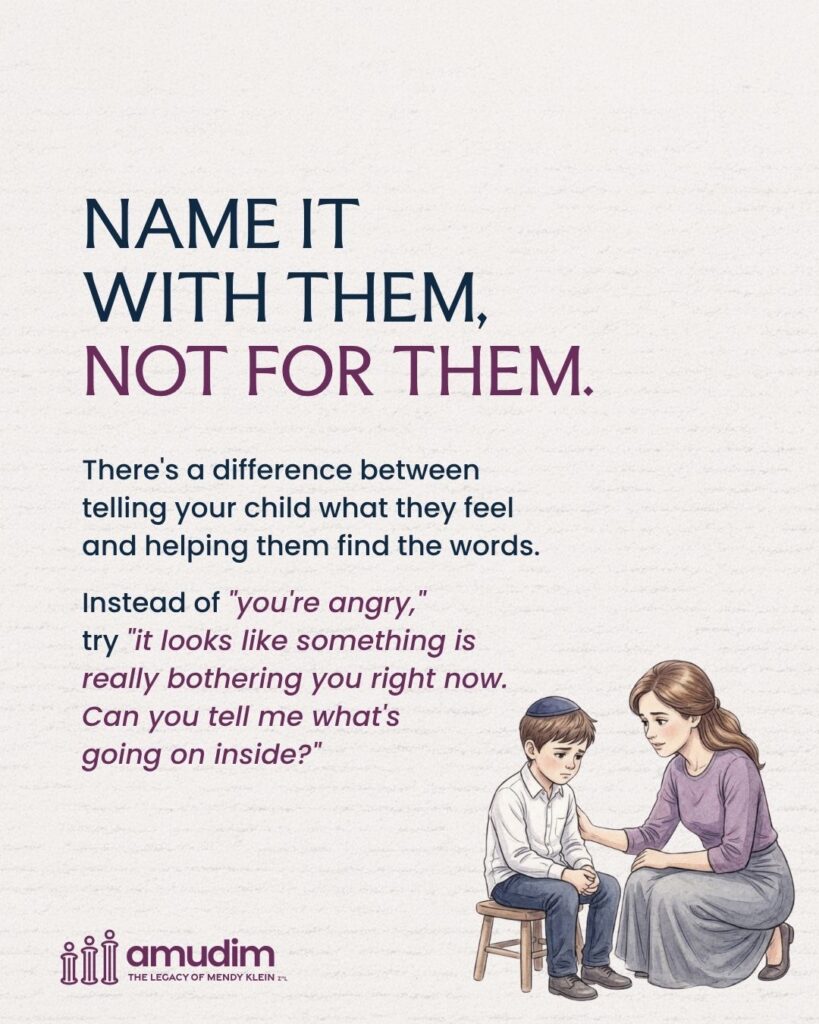
Kids don’t learn emotional language from one big conversation. They learn it by how we talk about our own feelings, and by nudging them to go a little deeper to name what’s underneath the surface. Over time, they begin to understand that feelings aren’t good or bad – they’re signals better described as comfortable or uncomfortable. With that reframing, it becomes easier for them to connect their emotions to a cause .
And that’s when it starts to click. It’s the everyday, small moments and conversations that collectively help build their self-awareness. Maybe it’s at the Shabbos table, or on the drive home.
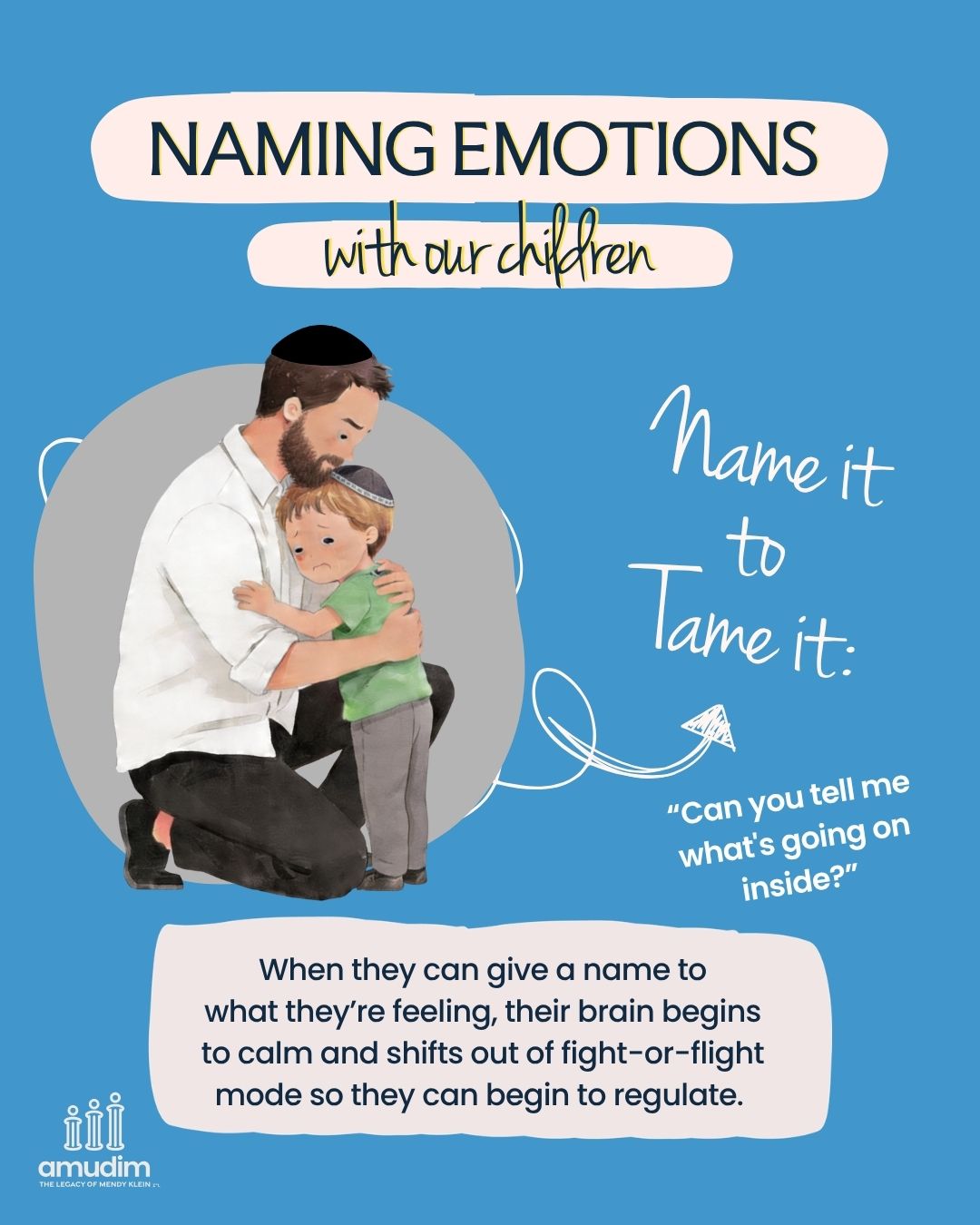
When our children are able to put words to what’s going on inside, something starts to settle. The intensity eases, their body shifts out of survival mode, and they can begin to steady themselves again.
And in that space, they have a moment to reset, and they’re learning how to handle what they feel next time, too.
Article
There is Value in Validation
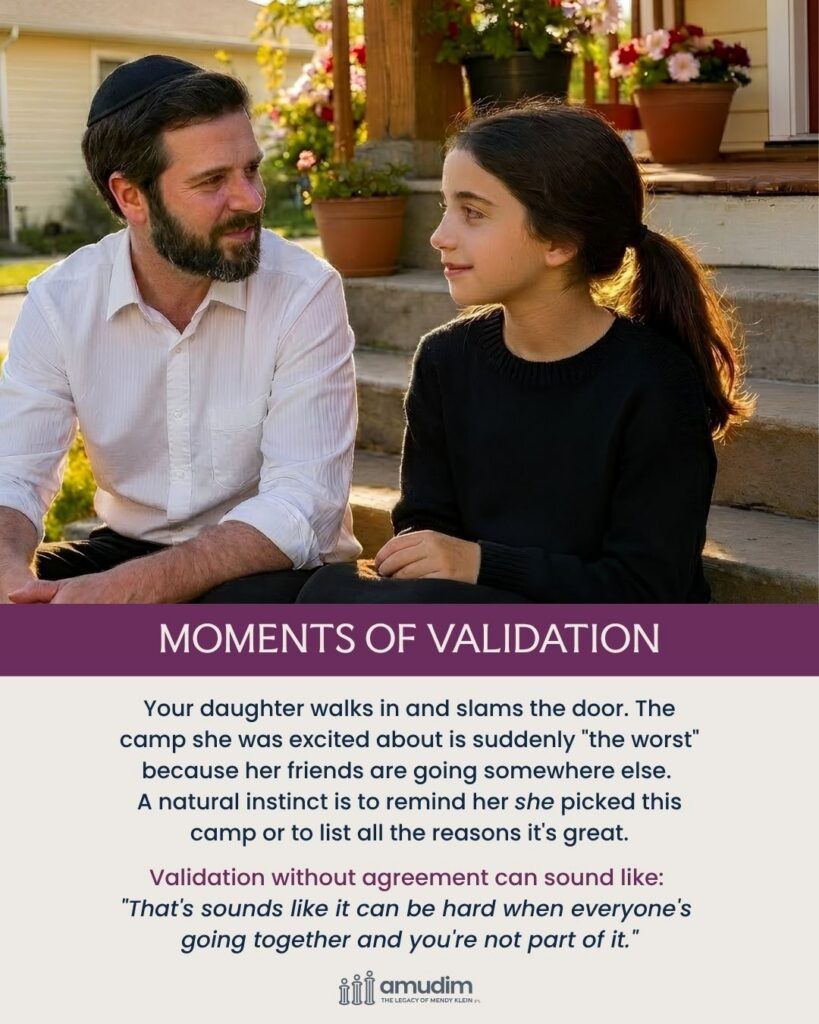
When we validate our children’s feelings, we are saying, “Your feelings are welcome here, and you matter so much. I’m going to stay with you in this.”
Our instinct as parents is to jump straight to fixing, because it’s hard to watch them struggle.
But to a child who’s upset, that can feel like we’re downplaying what they’re experiencing. What they really need is the space to feel it fully, with the safety of our presence and support.
When we take a moment to slow down and sit with them, the intensity of their emotions softens. What they’re feeling becomes less scary and more manageable.
Your child is noticing when and how you are showing up for them.
During the tough times, in the good times, and everything in between.
That is helping to build a safe inner world for them, and that’s a gift no one else can offer them
Keep going… you are doing great!
Week 2: Regulation
POST
Creating Inner Safety
While we can’t control everything our children will face, we can always be their safe, reliable place to turn.
This type of predictability helps them begin building something steady and safe within themselves.
And that stays with them forever.
VIDEO
Before You React
“It’s not you. It’s me.” One of the most powerful things a parent can say.
As Rabbi Yisroel Grossberg says, if we’re hungry or overwhelmed, it’s not fair to respond. Take a minute – eat, rest, reset. Show up differently. And it goes both ways. When your child melts down, it may be hunger or exhaustion.
As Shira Berkowitz, LCSW, reminds us: regulate before you have to. Practice in calm moments – breath, pause, notice.
So when it matters most, your body already knows the way.
Article
They're Following Our Lead
We all react to stress differently – it’s how our bodies are wired.
Today is about noticing which reactor type (or types) we tend to fall into. That awareness is a powerful step toward becoming more self-aware and building deeper connection with our children.
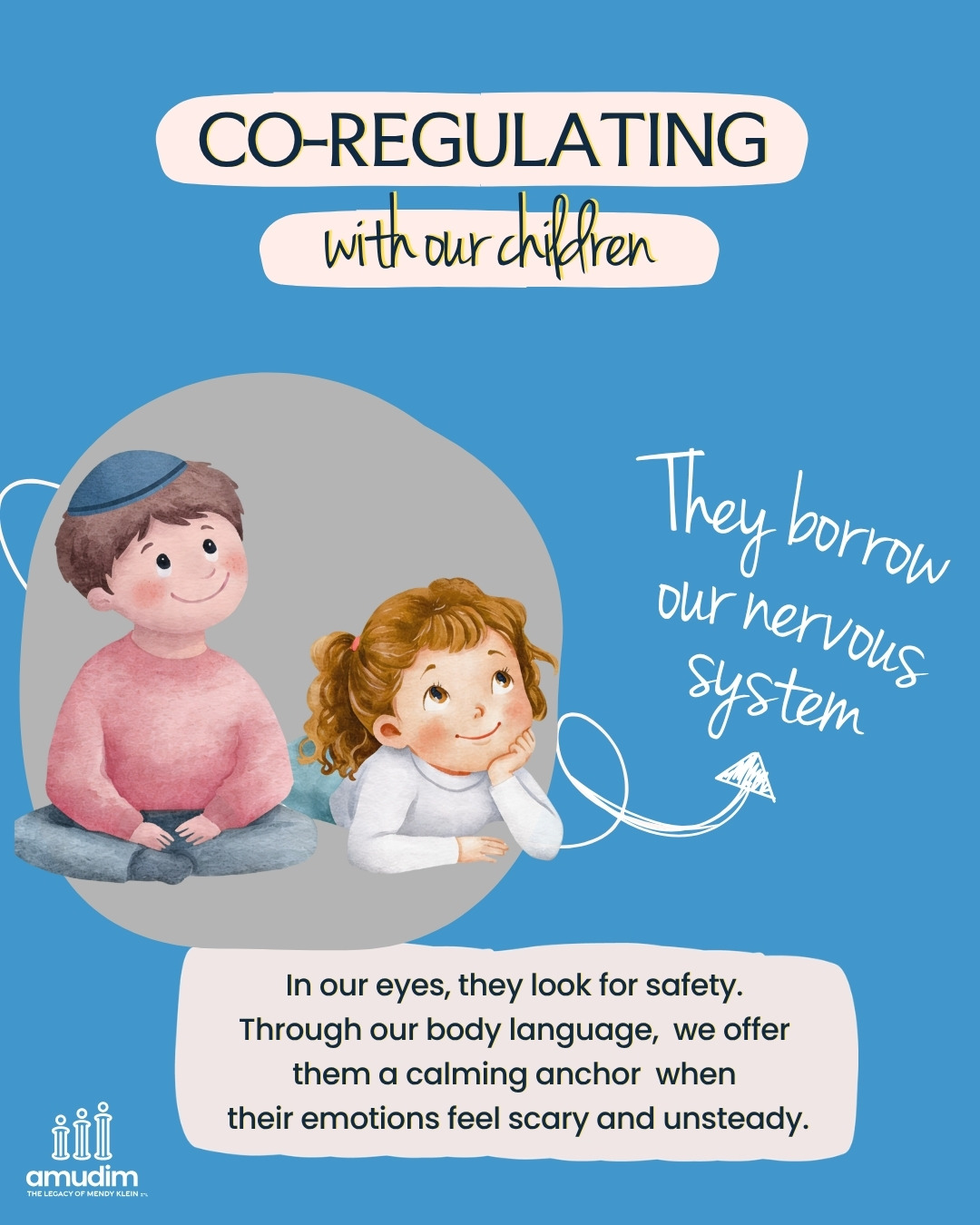
Our kids are noticing more than just our words. Our facial expressions, our tone, the energy we show up with – it all impacts their sense of safety. And it makes room for them to feel whatever they need, without judgment or the added pressure of what we carry in.
They are borrowing our nervous system, and through our calm, we create a pathway into our child’s heart.
One they can count on and will want to return to.
Article
Building Your Regulation Toolkit
On Tuesday we spoke about how regulation begins with the parents, today we’re getting practical about it.
How do we work regulation into our daily life in a way that makes sense for us? What are a few small practices we can incorporate into our day before we find ourselves stuck in an emotionally challenging moment.
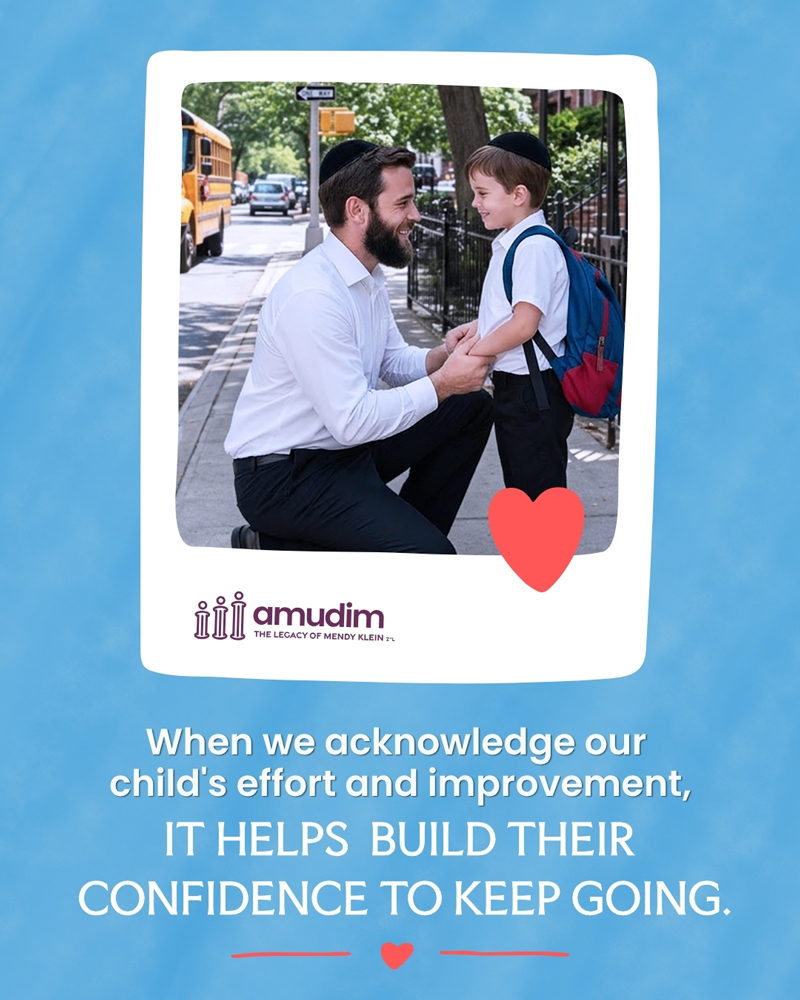
When we notice and praise our child in moments of improvement, and recognize how much effort they’ve put in, it gives them the determination to keep going and a sense of pride they can carry wherever they go.
Week 3: Accountability & repair
POST
Accountability & Repair
Last week we focused on regulation. This week we are going to talk about repair.
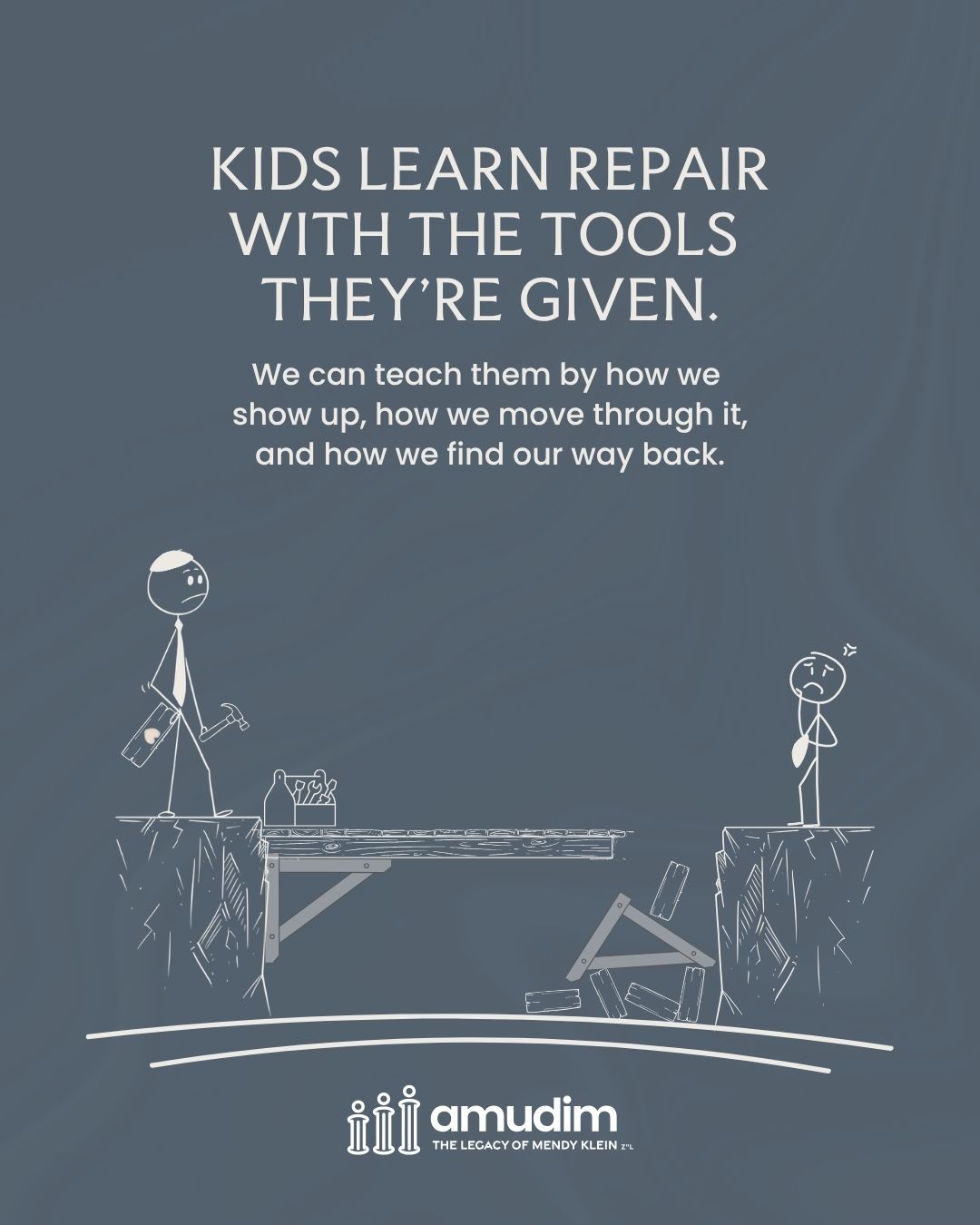
We don’t model repair by pretending we never get frustrated. We teach it by what happens next. How we pause, how we come back, how we apologize and take accountability.
And right there… we show them that big feelings don’t have to become broken relationships.
That we all have the opportunity to do our part to help restore connection and find our way back to a healthy place in a relationship with another.
VIDEO
The Hardest Part of Letting Them Grow
As parents, it’s completely natural to want to step in, fix the problem, and make our child’s discomfort go away.
Rabbi Yisroel Grossberg, M.S. Ed., reminds us that one of the greatest things we can do for our children is let them own their mistakes. When we allow them to feel the weight of their choices while giving them a pathway toward repair, they learn something powerful: things can be fixed, relationships can be repaired, and they have the ability to make things right, even after a mistake.
And Rabbi Avi Landa, LCSW, takes it a step further: when we step in every time, we may be handing our children a version of the world that does not reflect what they will actually face.
Our kids need to learn that their decisions matter and that their actions have real world outcomes.
Article
It Starts With Us
The best way to teach our children how to take accountability is by letting them watch us do it first.
When we go back to say I’m sorry, or sit with them through the hard part instead of trying to rush past it.
When we let our children see that relationships are strong enough to hold a mistake and still be okay, we are modeling to them that repair is always possible and that they can do it too.
Read More
POST
Leading by Example
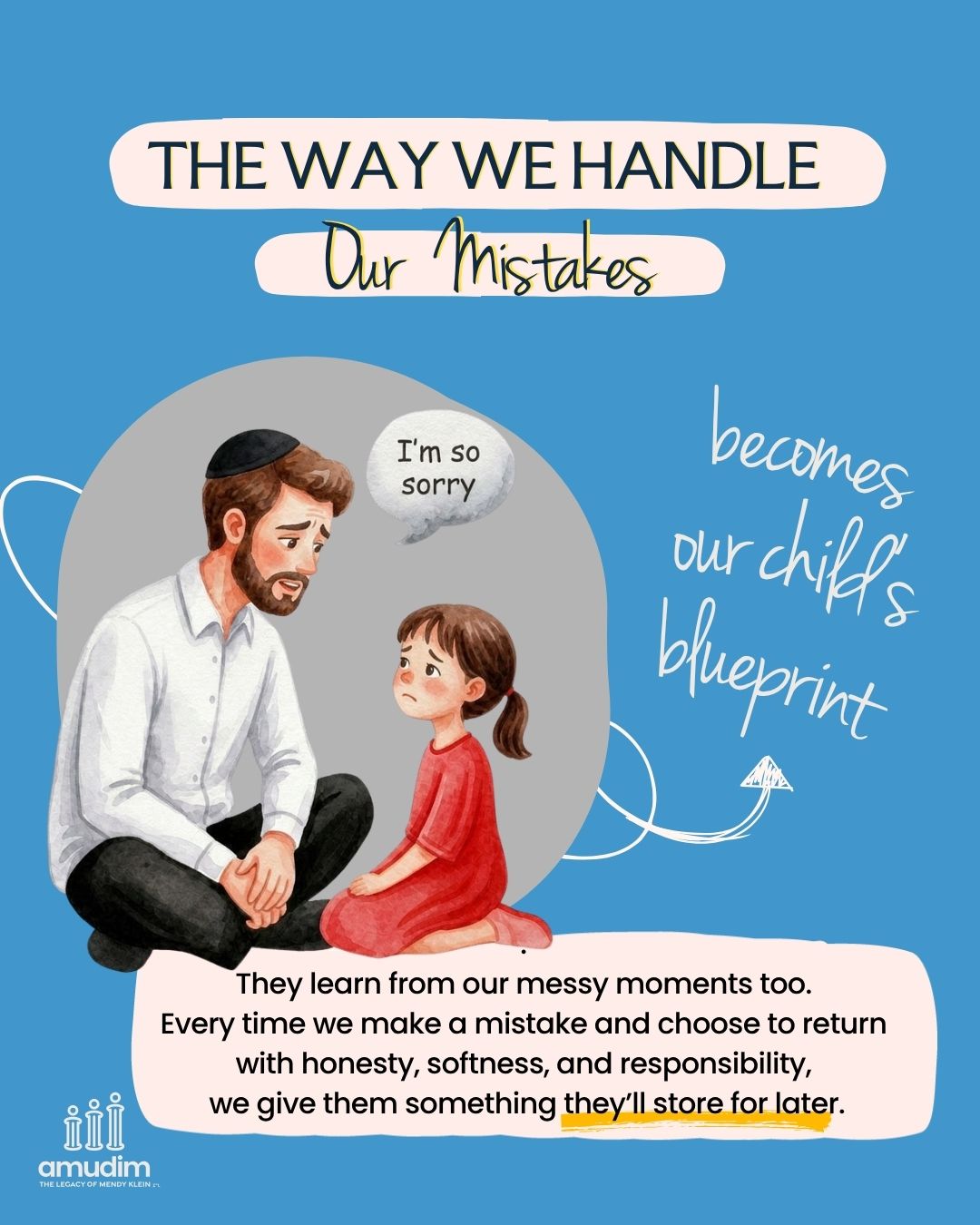
Our kids are always taking notes – especially in the moments we mess up.
When we show them how we move through our mistakes in real time, it helps shape how they’ll respond when it’s their turn.
Article
Connection Before Consequence
When our child tells us something hard, our first response can become the bridge – or the wall.
This week, we have been talking about accountability and repair.
We began with the way our children learn from how we respond when we are the ones who make mistakes. When we go back, take ownership, apologize, and repair, we show them that a mistake doesn’t have to be the end of the story.
But there is another side to this: Today we will look at what happens when our child is the one who made the mistake.
When home feels steady enough for our children to come close, settle in, and be themselves, they don’t ever have to wonder if there is space for them.
The tone around them sends a message before we ever say a word:
You are safe here, you are loved, and most of all… you belong.
To everyone here following along with this series: we are honored to be walking alongside you.
Stay tuned. Next week, we move into Resilience & Self-Worth.
Week 4: Resilience & self-worth
POST
Creating Inner Safety
While we can’t control everything our children will face, we can always be their safe, reliable place to turn.
This type of predictability helps them begin building something steady and safe within themselves.
And that stays with them forever.
Post
Resilience is...
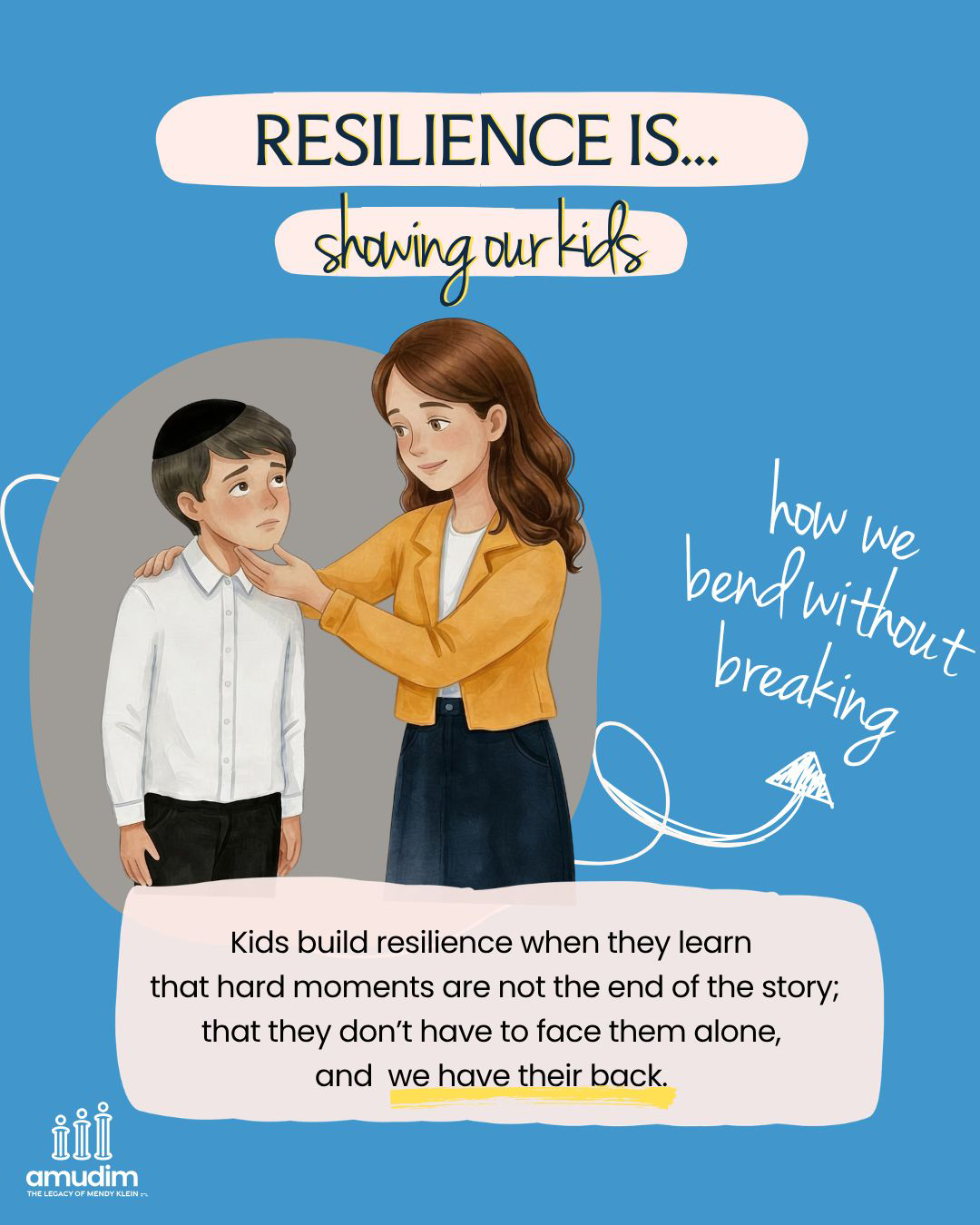
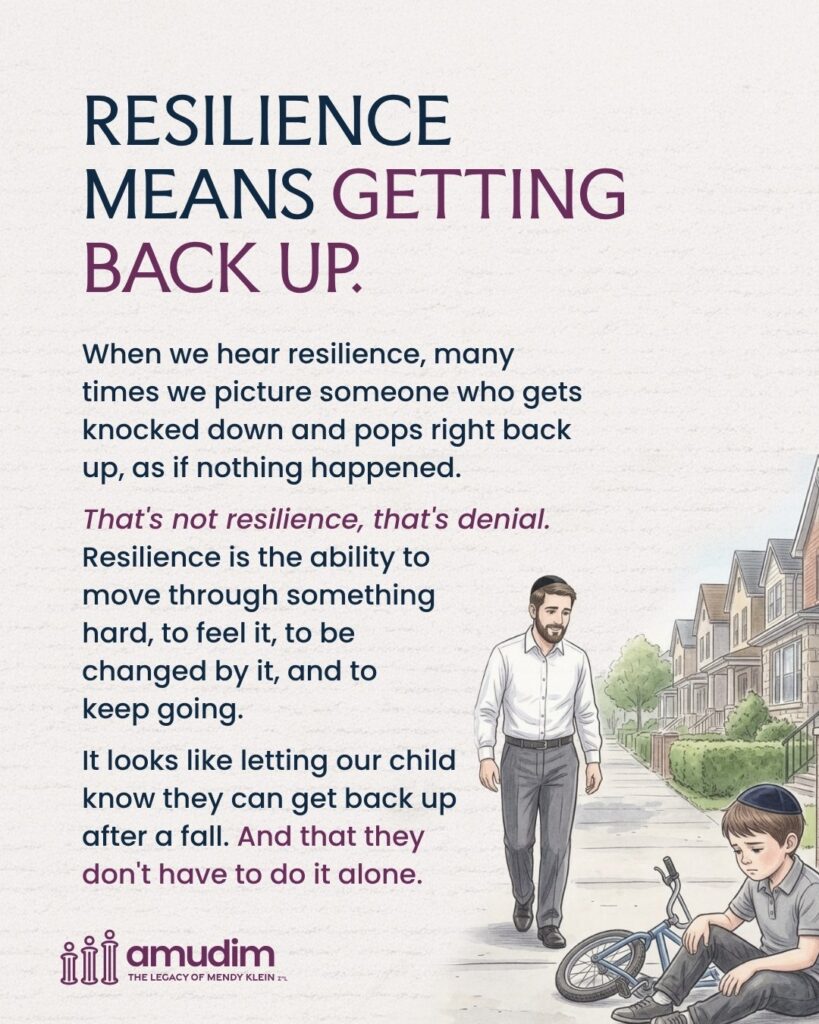
Resilience grows when our children know that challenges can be faced, support is available, and difficult moments can become part of their growth.
The goal is not to protect them from every hard thing, but to help them trust in their ability to move through challenges and come out stronger on the other side.
Article
The Power of "Yet"
Resilience and self-worth are built in the uncomfortable space between “I can’t do this” and “I got it.”
When we stay close without immediately fixing, we help our children learn that struggle does not mean they are failing – it means they are learning.
The word “yet” helps reframe the messages of doubt running through their minds. It gives them room to keep growing, while reminding them that their worth was never on the line.
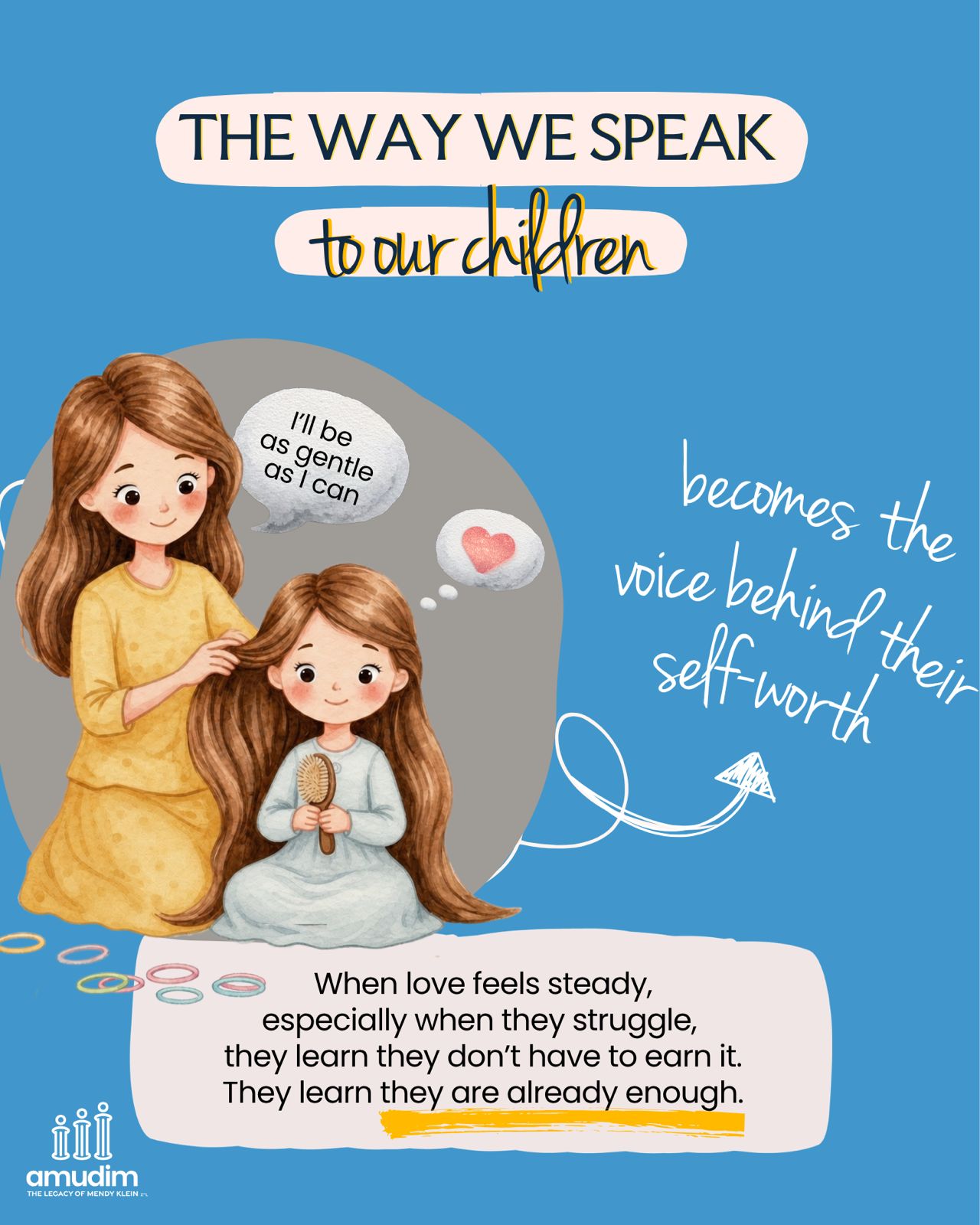
When we choose patience and gentleness with our kids – even when we are running late or having a rough morning – we are telling them, “You and your feelings are valuable to me.”
In those moments, we are leaving an imprint they can return to as they learn to believe in their own worth.
Article
When We Did It Right and It Was Still Hard
The messy middle of helping our children grow.
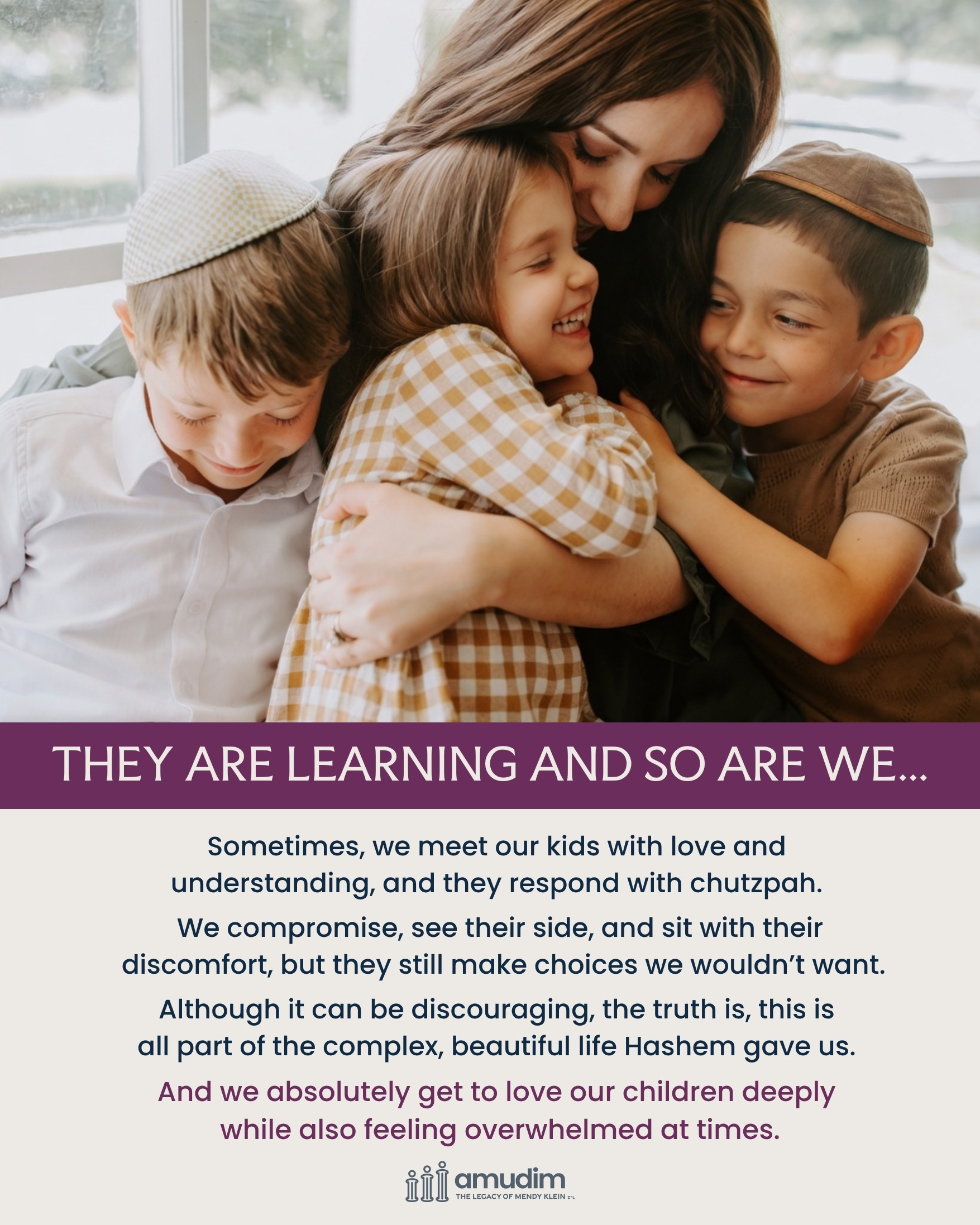
We have spent a lot of time this past month talking about building skills in our children, and about the importance of modeling those skills ourselves first. But today, we want to say the quiet part out loud:
Sometimes, you can do everything “the right way,” and it still feels completely wrong.
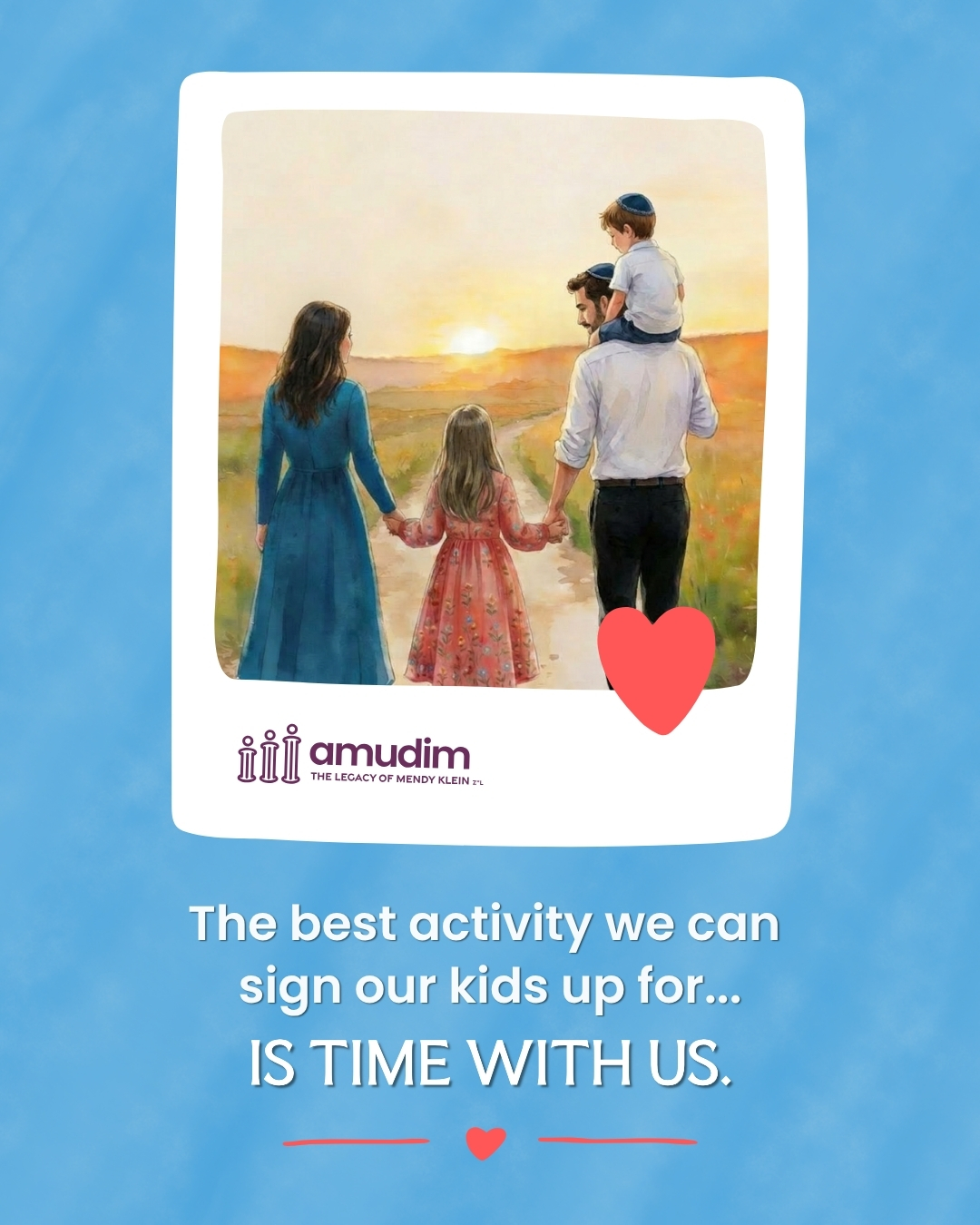
More than lessons, practices, or busy calendars, our kids need quality time with us. That’s where confidence grows, memories are made, and love feels the loudest.
As we head into this beautiful Shabbos, let’s lean in and make those moments count.