




At Amudim, we believe education is prevention.
That’s why we’re in classrooms, at community events, and in shuls — building awareness, teaching skills, and helping create a safer world for all of us before a crisis ever begins.
And when someone is in crisis, our clinical case managers are there, too. A phone call, a plan, and someone walking alongside them through it — always 100% free.
That’s only possible because of our donors. If you want to help us keep showing up for Klal Yisroel, you can do that here.
Last week we focused on naming emotions and helping our kids give language to what’s happening inside.
This week, we’re moving into the next step: regulation. What it looks like to handle big feelings once they’ve been named.
Emotional regulation begins with us.
We have to first look within ourselves to find our sense of groundedness and calm. Then we are better prepared to handle whatever parenting situation or meltdown that comes our way.
Our child’s nervous system looks to ours to set the tone, so we want to show up in a way that leads with calm and clarity. This is where we begin the shift from regulation to co-regulation with our child.
When we are activated in frustration or anger, their body mirrors ours, and already tough feelings can escalate further.
So it’s crucial that we first evaluate where we are emotionally, and steady ourselves. This signals to our child’s brain that it’s safe to find their calm as well.
Our ability to stay regulated is overall important for us as parents but for our children, it’s one of the most powerful tools we can equip them with as they navigate the ups and downs in their lives.
So, how do we actually build that?
Your body tells you before your brain does.
Tune into the signals.
At times we may not realize we’ve lost our cool until we’ve already said something we regret. But maybe our body was sending signals long before that moment…
A clenched jaw. Shallow breathing. Tight shoulders. A knot in the stomach. A sudden rush of heat to our face.
These physical stress signals show up before the emotional explosion does. So if we tune into those signals early, we give ourselves the opportunity to remedy that stress we feel, not carry it over to our child and fully be present for their needs.
The first step isn’t doing anything. It’s just noticing. “Oh, my shoulders are up. My heart is pounding. Something is building.”
Just noticing those changes is already moving us closer to regulation.
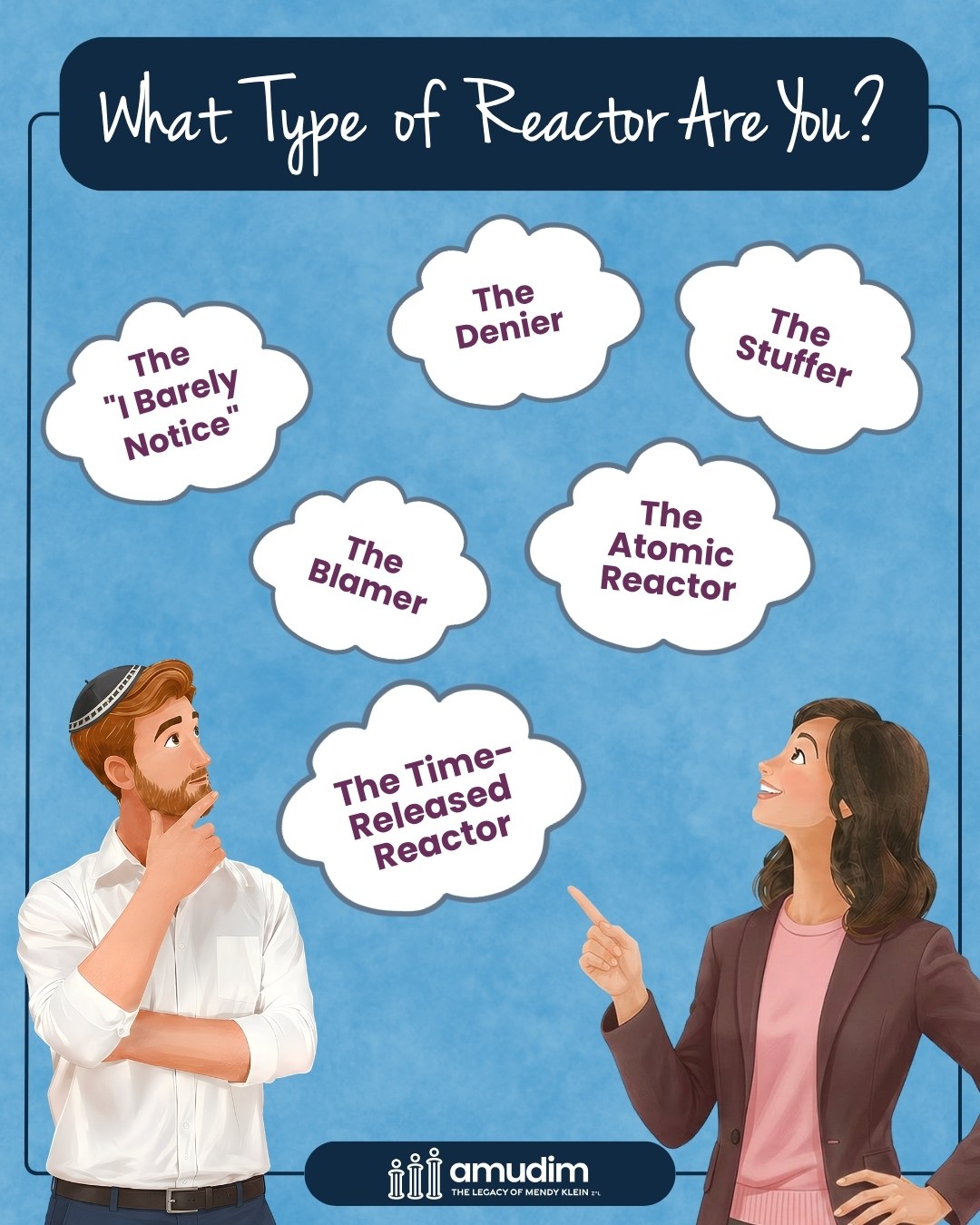
What kind of reactor are you?
Not all of us handle stress or our emotions the same way, and not all of our go-to reactions help as much as we think they do. How do we know unless we look a little deeper…?
The Darcheinu and Our Path SEL curricula identify five common ways people tend to react when emotions run high. See if you recognize yourself in any of these:
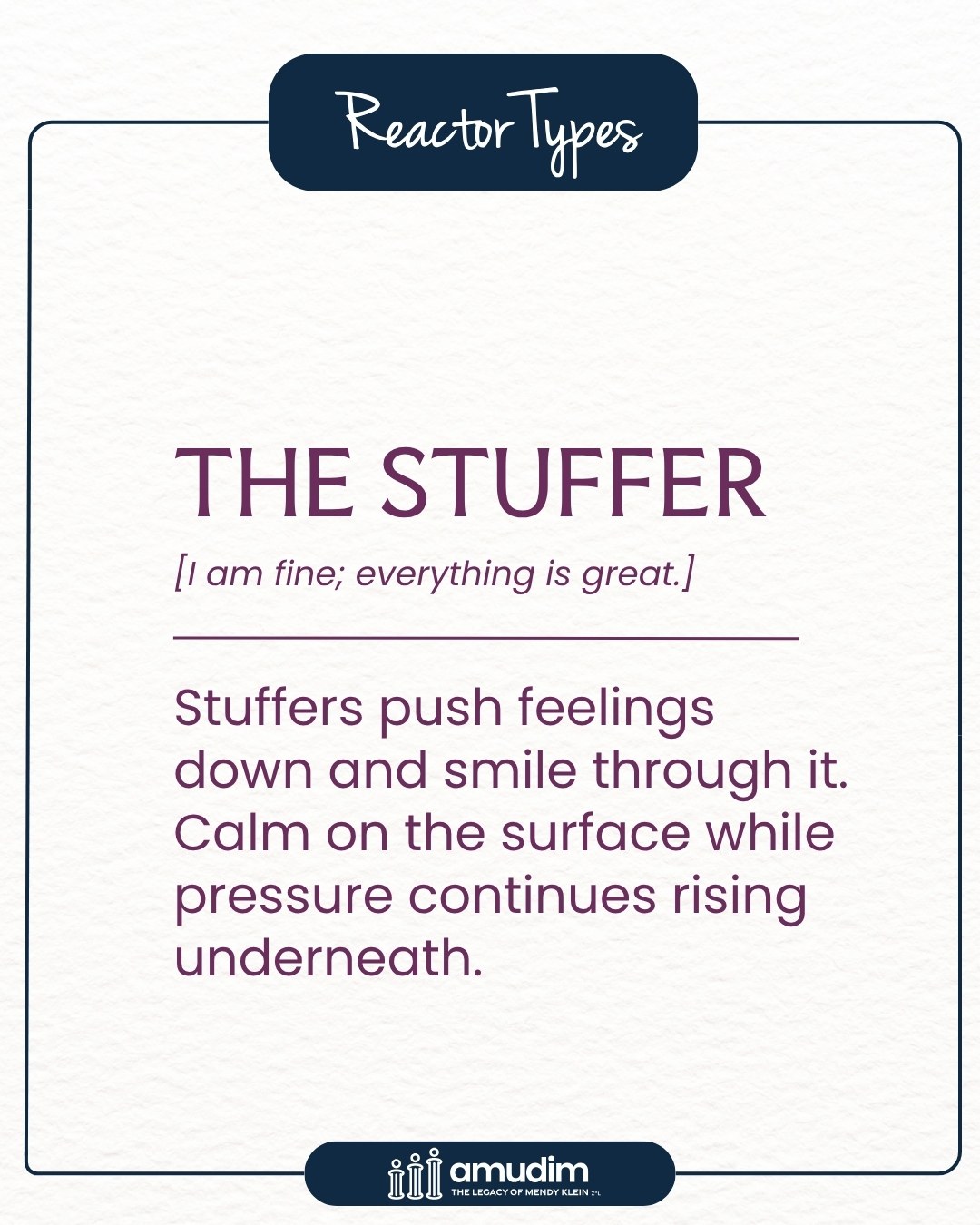
The Stuffer: “I am fine; everything is great.”
Stuffers push feelings down and smile while they’re doing it. Calm on the surface while pressure continues rising underneath.
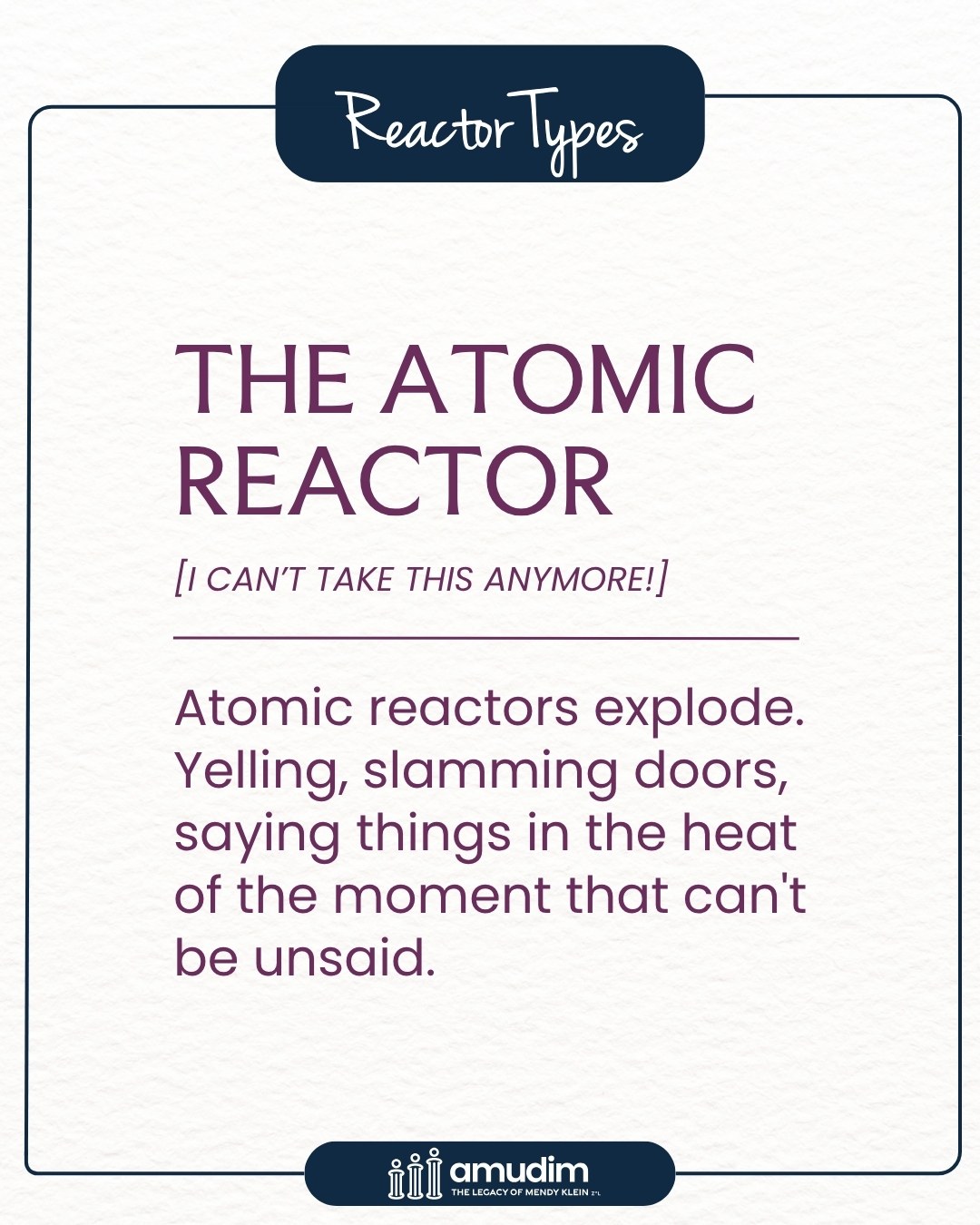
The Atomic Reactor: “I CAN’T TAKE THIS ANYMORE!”
Atomic Reactors explode. Yelling, slamming doors, and saying things in the heat of the moment that can’t be unsaid.
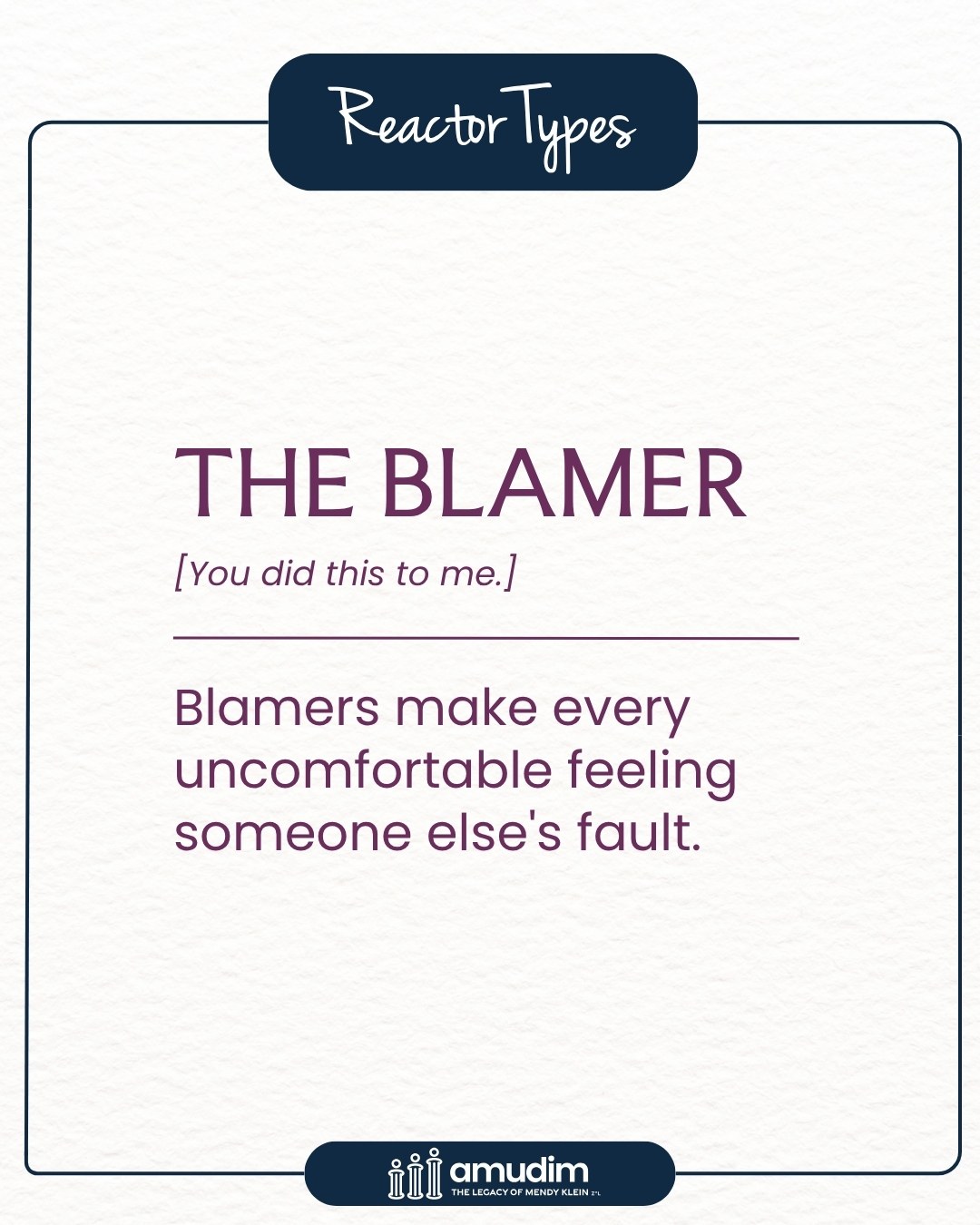
The Blamer: “You did this to me.”
Blamers make every uncomfortable feeling someone else’s fault.
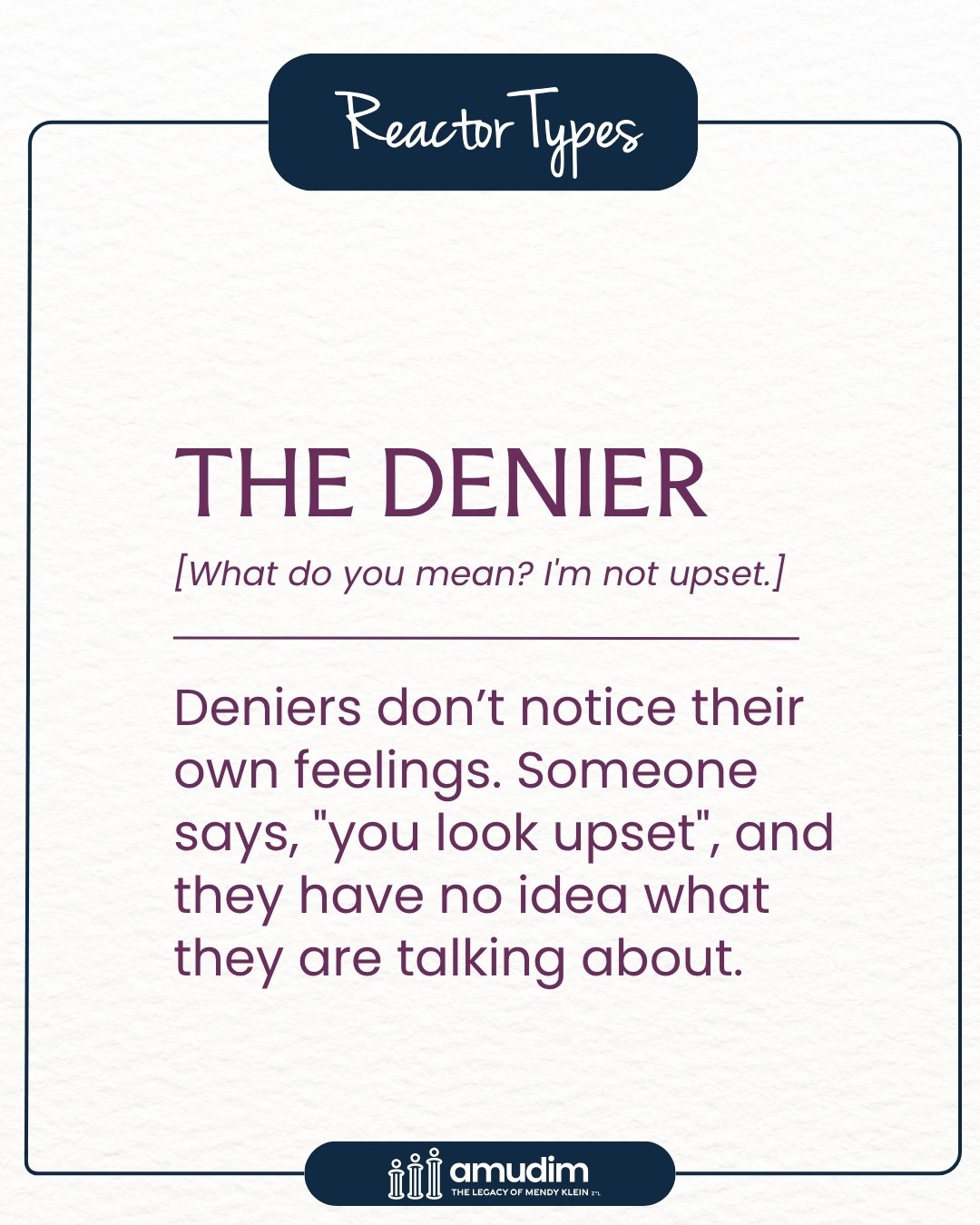
The Denier: “What do you mean? I’m not upset.”
Deniers don’t notice they have feelings. Someone says “you look upset” and they honestly don’t know what you’re talking about.
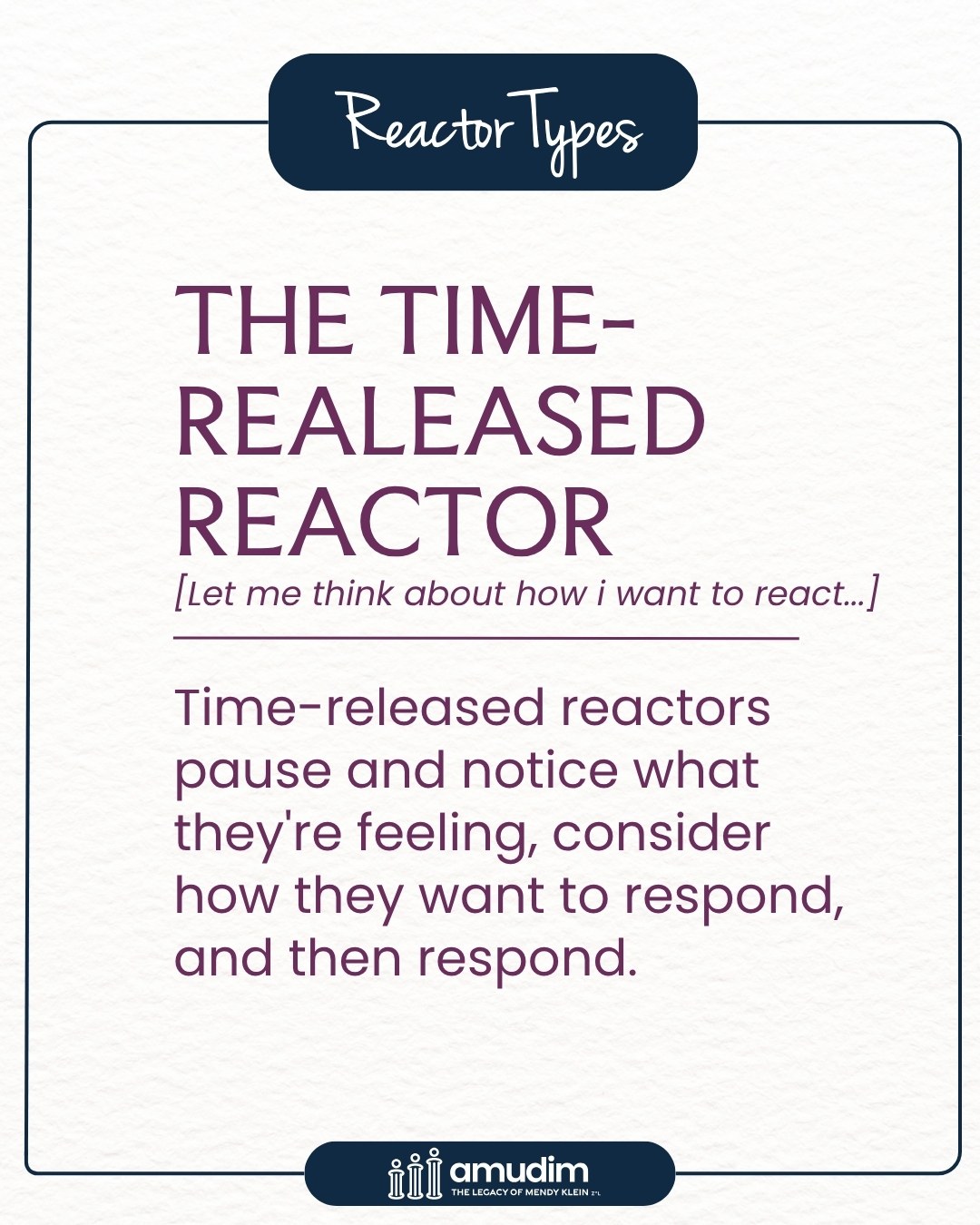
The Time-Released Reactor: “Let me think about how I want to react…”
Time-Released Reactors pause and notice what they’re feeling. They consider how they want to respond and then respond.
That pause is the whole skill.
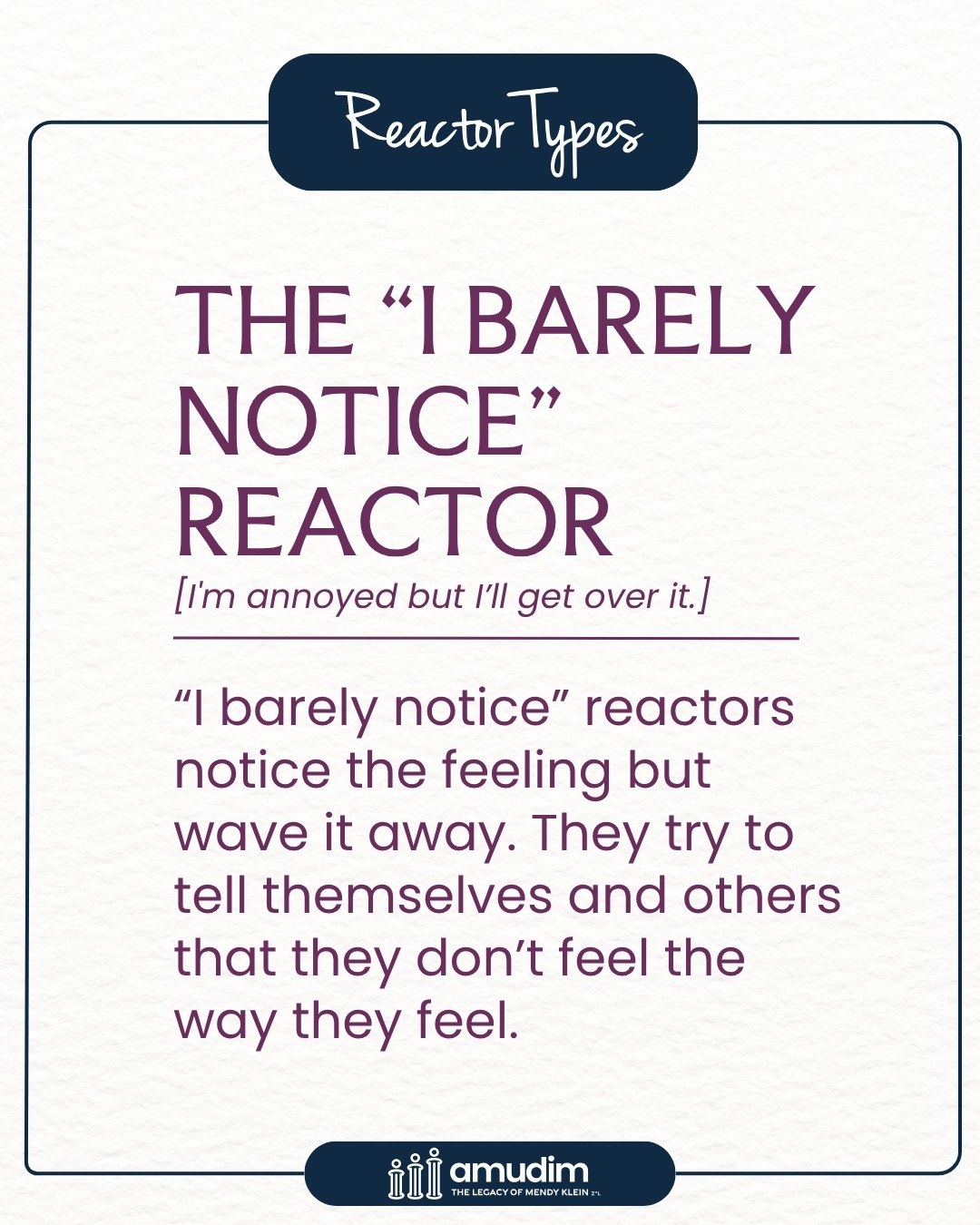
Most of us are some combination of these reactor types. You might be a Stuffer at work and an Atomic Reactor at night.
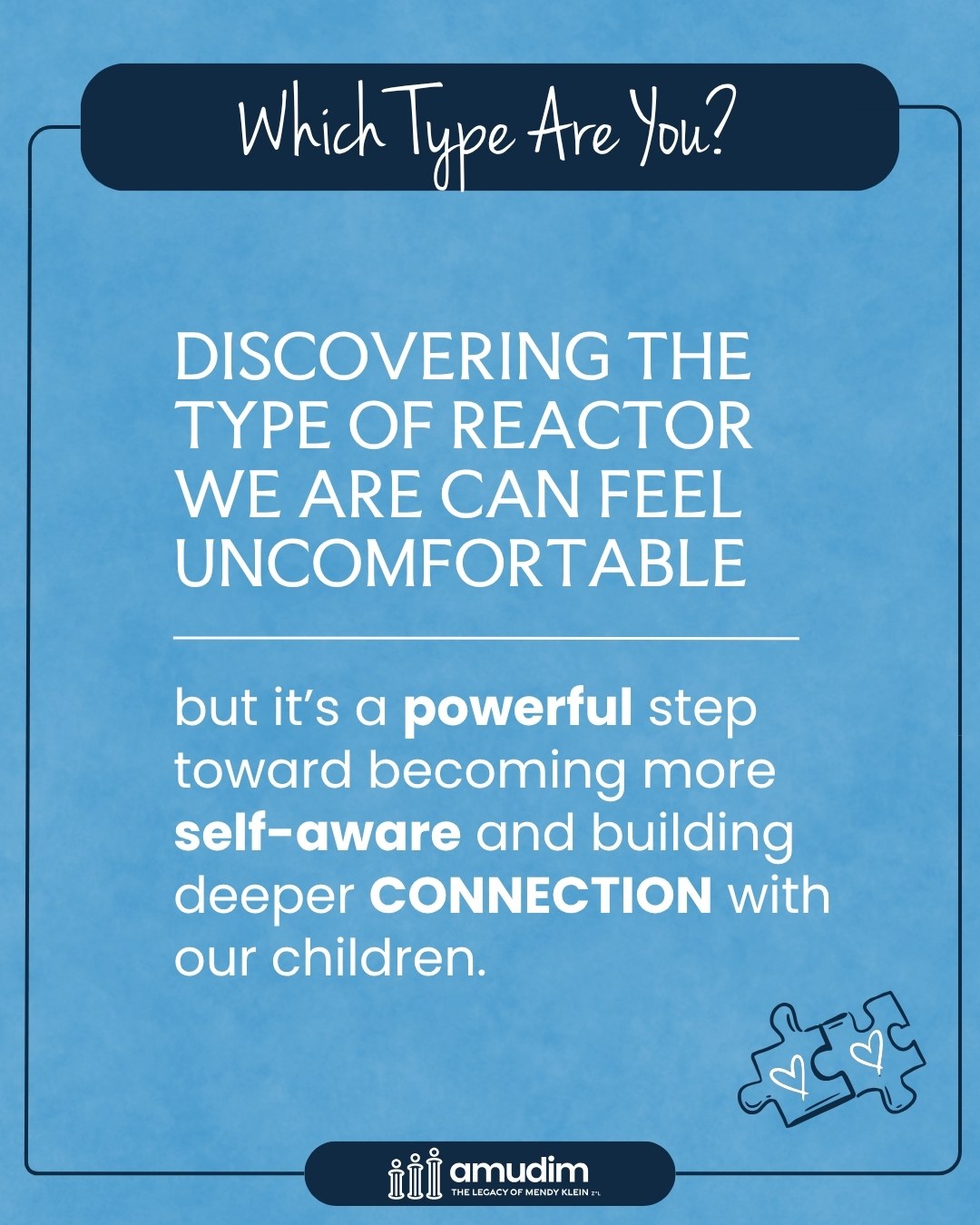
The goal isn’t to judge ourselves or our parenting. It’s to be honest and curious about our patterns.
When we become aware of which reactions are helpful, and which ones may not be supporting our child’s emotional needs the way we want them to, we give ourselves the chance to respond differently.
SOMETHING TO TRY THIS WEEK:
Pick one small grounding technique or emotionally regulating activity to try this week:
If you’re a morning person, maybe a nice walk to connect with nature.
Try a five senses check: pause and notice one thing you see, hear, smell, feel, and taste.
If you just want to start noticing, pay attention to where your body holds stress this week. Your jaw? Shoulders? Stomach? You don’t have to fix it yet. Just notice.
We don’t expect ourselves to be perfectly calm parents at all times; but as we begin to build our awareness and grounding into our everyday practices, the ability to find calm is more accessible in the moments we really need it. And when our children need it most.