Goal setting can help our kids learn more about themselves, recognize their strengths, and begin to see how small steps can turn into growth.
As they work toward a goal, they begin to understand that their choices and effort matter. Little by little, they practice thinking ahead, making decisions, taking responsibility, staying with something over time, and feeling proud of the progress they are making.
From the smallest routines to bigger responsibilities
Goals can support growth at every stage. As children grow, their goals can grow with them, helping them continue learning, taking responsibility, and discovering what they are capable of.
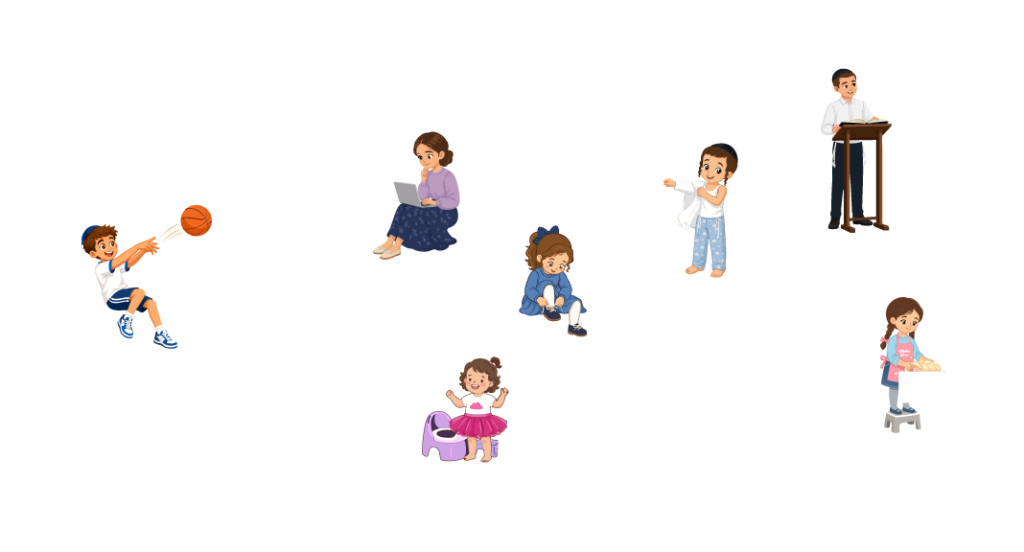
For younger children, a goal may look like learning a new routine, trying a new food, helping with a small responsibility, or working toward a skill they are ready for.
As kids get older, goals can begin to include academics, middos, friendships, family relationships, developing their talents, finding chesed opportunities, and more.
Setting their goals can become a meaningful way to think about what they want to build and who they are becoming, and what they find great value in.
Every child is unique, and goal setting should fit who they are
Some kids feel grounded by clear steps, while others need room to dream first. Some do best writing things down, while others connect more through pictures, colors, and creativity.
Whether our child is ready for detailed planning or needs something more open and visual, the approach that fits who they are will usually be the one that helps them engage best.
Supporting them while giving them space to take the lead
Depending on our child’s age and readiness, they may need our help turning a big idea into smaller, more manageable steps.
We can gently guide them in prioritizing their goals while still giving them room to reflect on what feels most important to them.
When children have space to think it through and take some ownership, they are more likely to stay connected to the goal. They actually get to witness the power in their choices and realize their growing potential.
And as they keep working toward what they set out to do, we can be right there, encouraging their effort, helping them adjust as they grow, and celebrating their progress along the way.
The real reward
For younger children, tangible rewards can sometimes create some extra excitement. While they aren’t necessary, at times they can give that little boost to their momentum.
And as they get older, they can begin to recognize what is growing within them: the pride of seeing their own progress, the confidence that comes from follow-through, and the joy of realizing, “I worked for this.”
That kind of reward stays with them, helping them value the process, carry their confidence into whatever they work toward next, and keep growing into the best version of themselves.
An added bonus: “our reward”
Goal setting can become a beautiful way to connect more deeply with our kids.
It can open conversations we may not always know how to begin, while giving us a chance to show our children that we notice their effort, their growth, and the little things they are working so hard to build.
What a gift it is to support and celebrate those moments with them, and to give them something they can carry long after the goal is reached.
We can keep building on the conversation
To help continue the conversation at home, we created a set of goal planning worksheets for different ages, stages, learning styles, and levels of readiness. You can find all of them at the top of this page, ready to download:
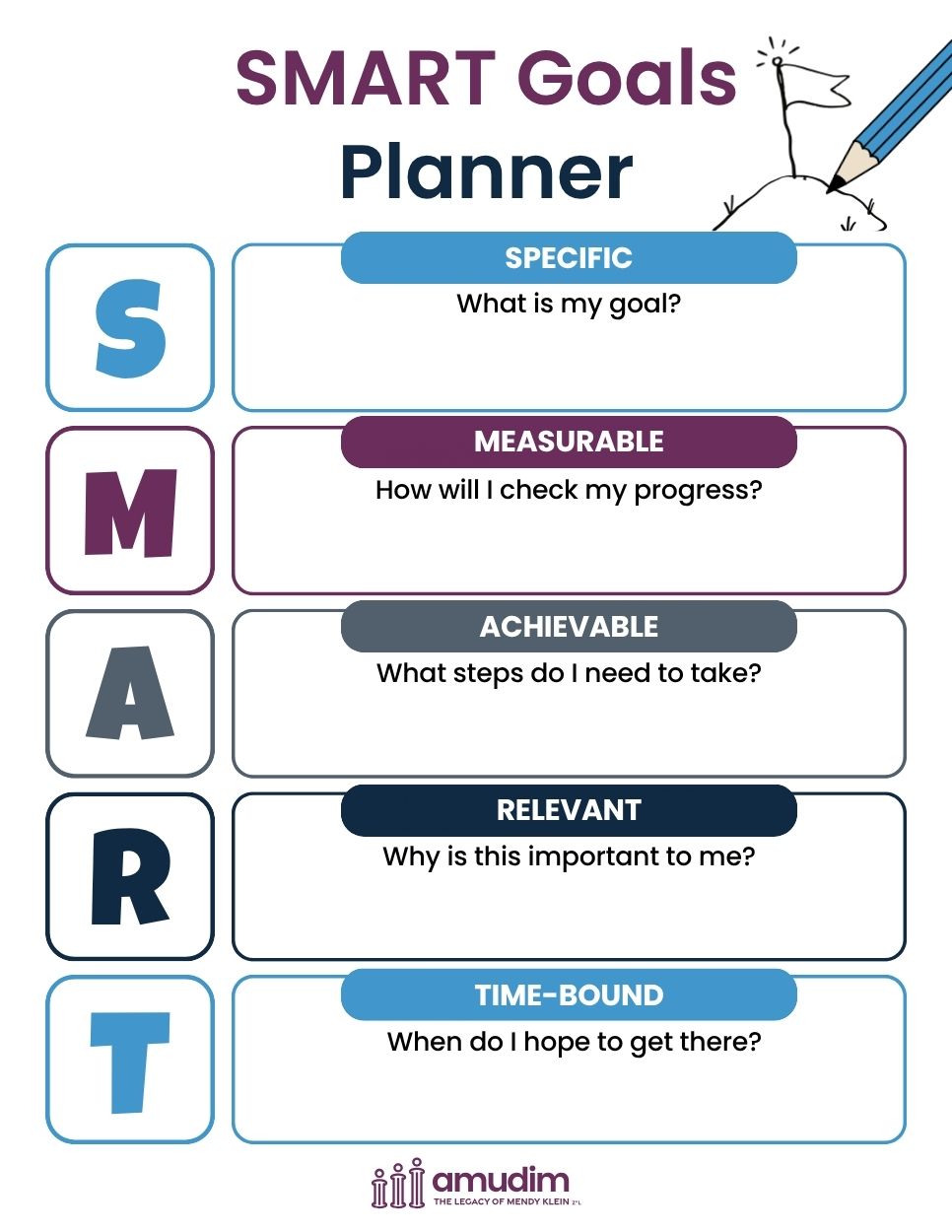
- SMART Goals worksheet (Specific, Measurable, Achievable, Relevant, Time-Based)
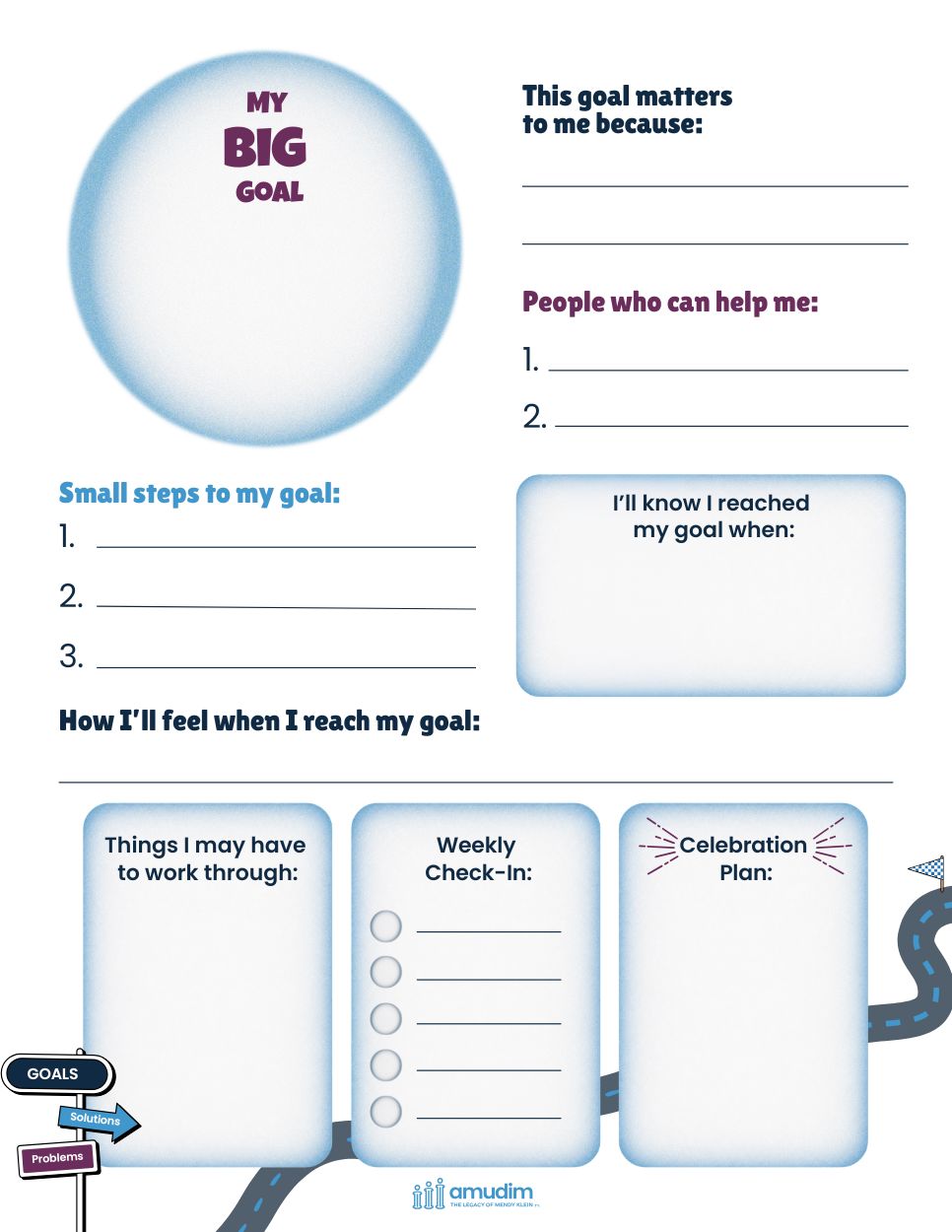
- My Big Goal worksheet
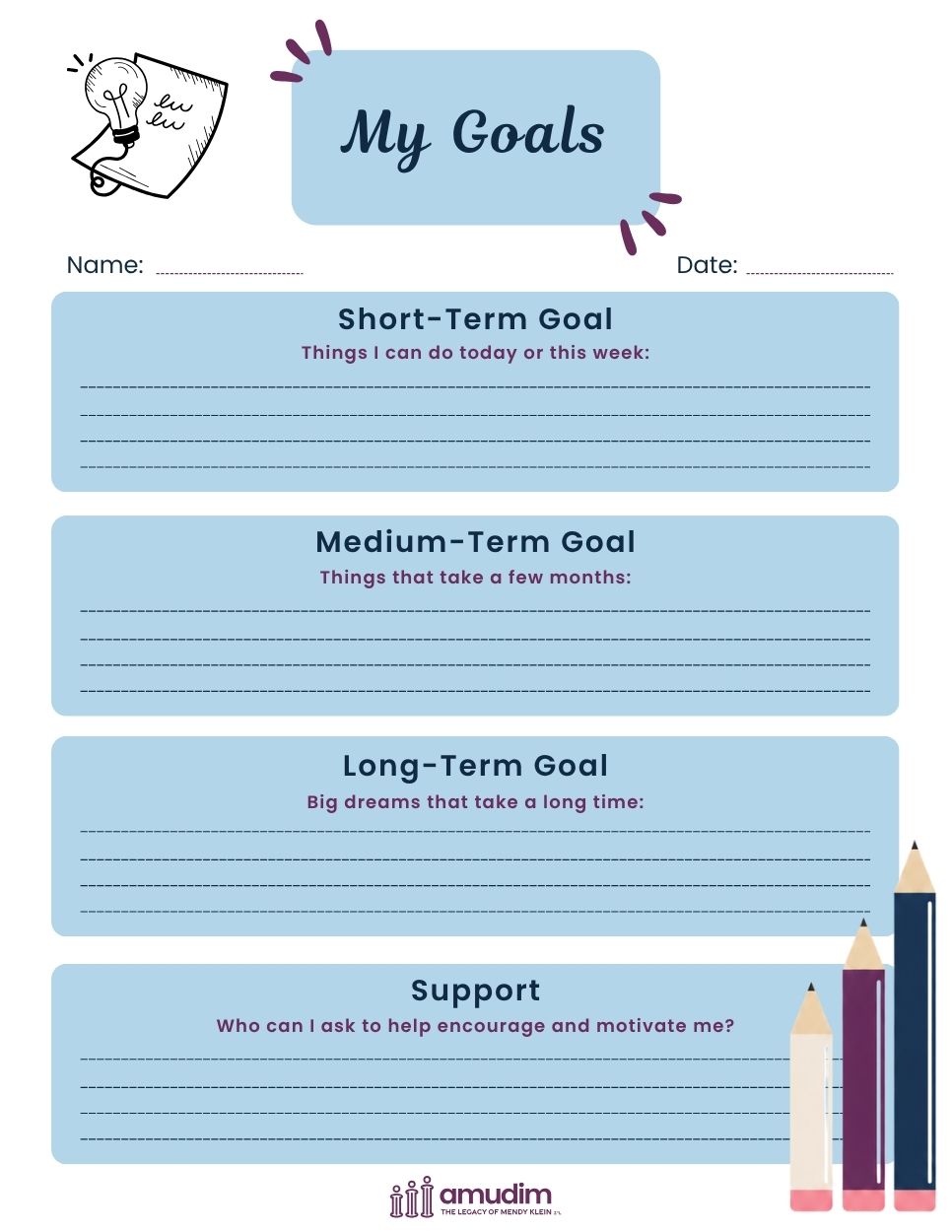
- Short, Medium, and Long-Term Goals worksheet
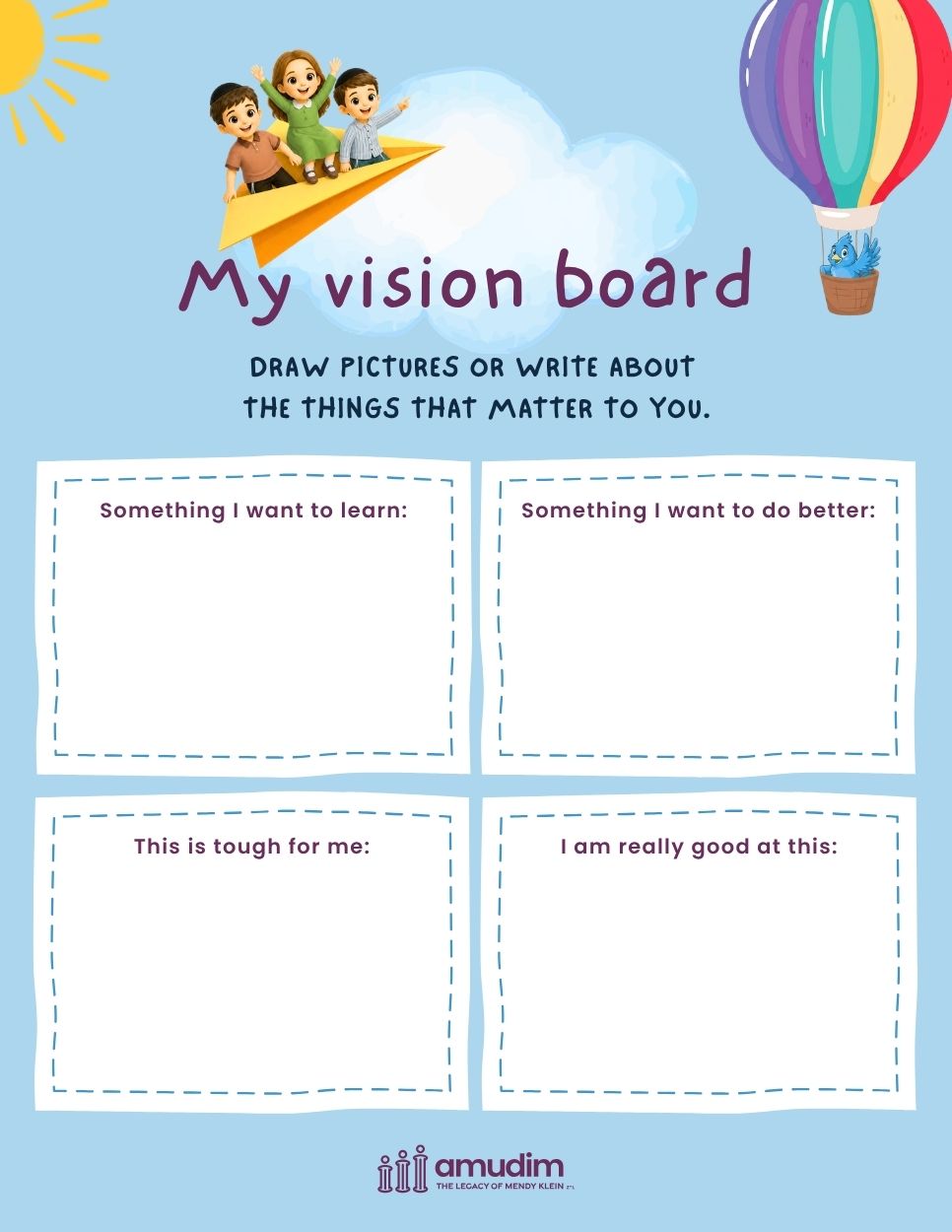
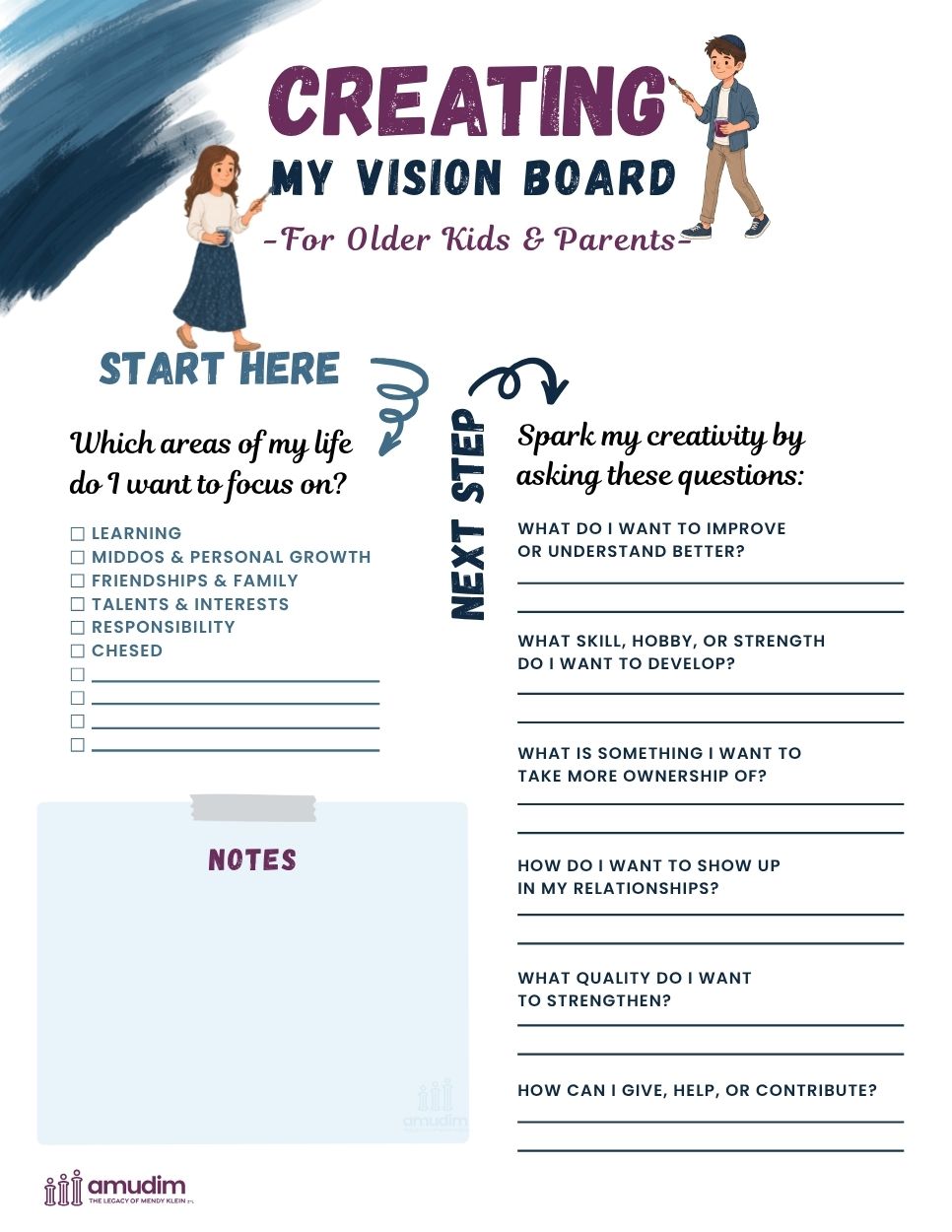
- Vision Board creation ideas for both younger and older kids, to spark their creativity
We hope these resources give you and your family something helpful, and bring that meaningful connection into everyday moments in your home.