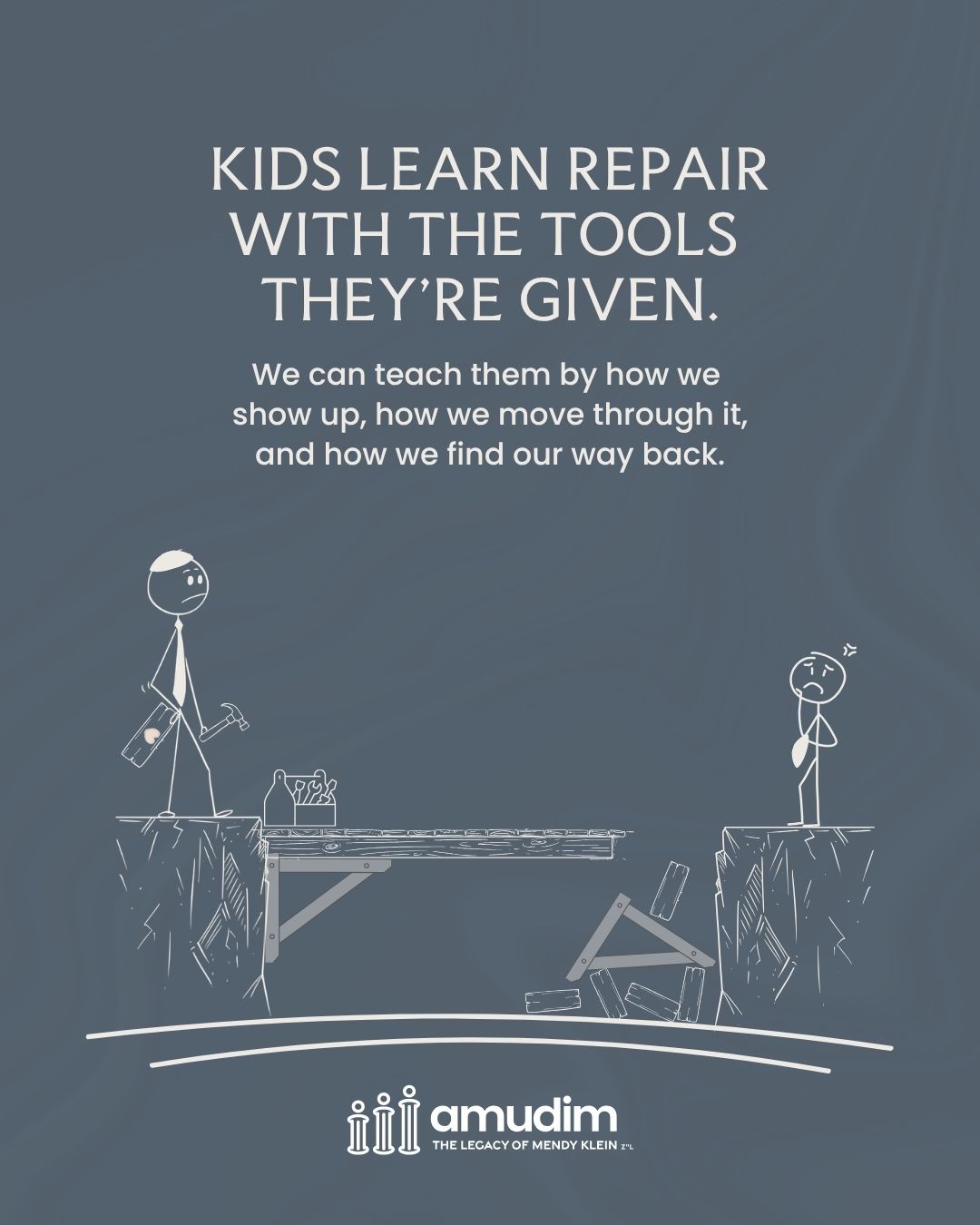
Last week we focused on regulation. This week we are going to talk about repair.
We don’t model repair by pretending we never get frustrated. We teach it by what happens next. How we pause, how we come back, how we apologize and take accountability.
And right there… we show them that big feelings don’t have to become broken relationships.
That we all have the opportunity to do our part to help restore connection and find our way back to a healthy place in a relationship with another.
VIDEO
The Hardest Part of Letting Them Grow
As parents, it’s completely natural to want to step in, fix the problem, and make our child’s discomfort go away.
Rabbi Yisroel Grossberg, M.S. Ed., reminds us that one of the greatest things we can do for our children is let them own their mistakes. When we allow them to feel the weight of their choices while giving them a pathway toward repair, they learn something powerful: things can be fixed, relationships can be repaired, and they have the ability to make things right, even after a mistake.
And Rabbi Avi Landa, LCSW, takes it a step further: when we step in every time, we may be handing our children a version of the world that does not reflect what they will actually face.
Our kids need to learn that their decisions matter and that their actions have real world outcomes.
Article
It Starts With Us
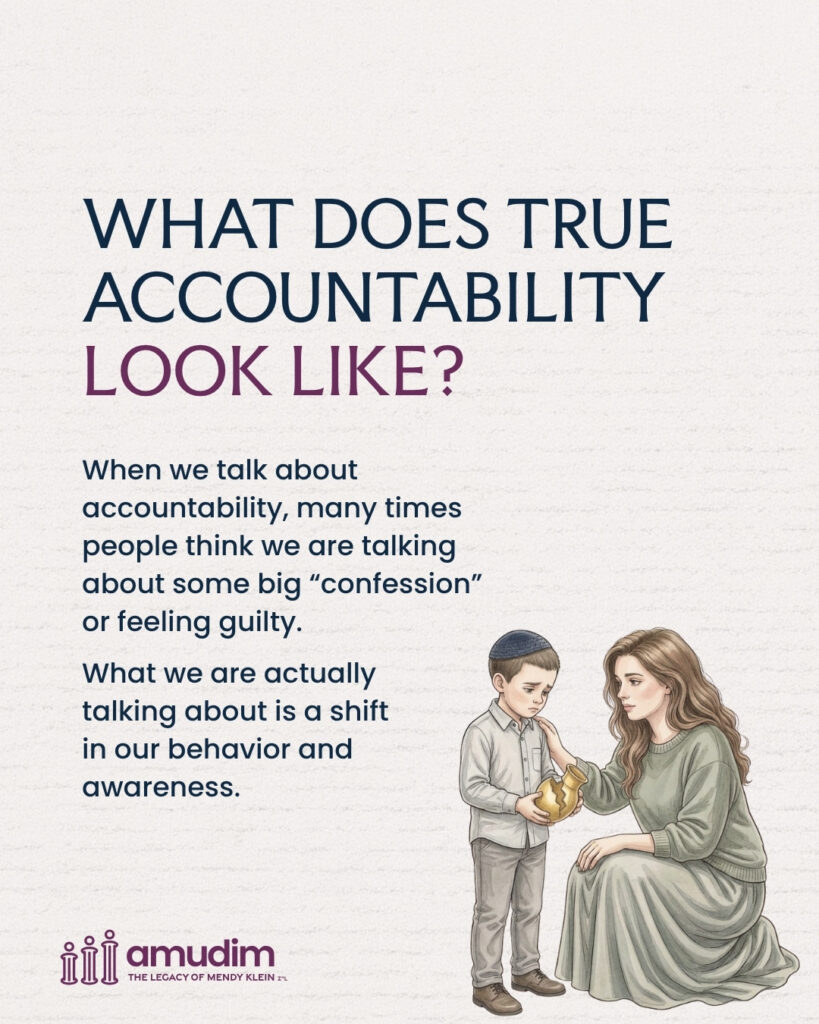
The best way to teach our children how to take accountability is by letting them watch us do it first.
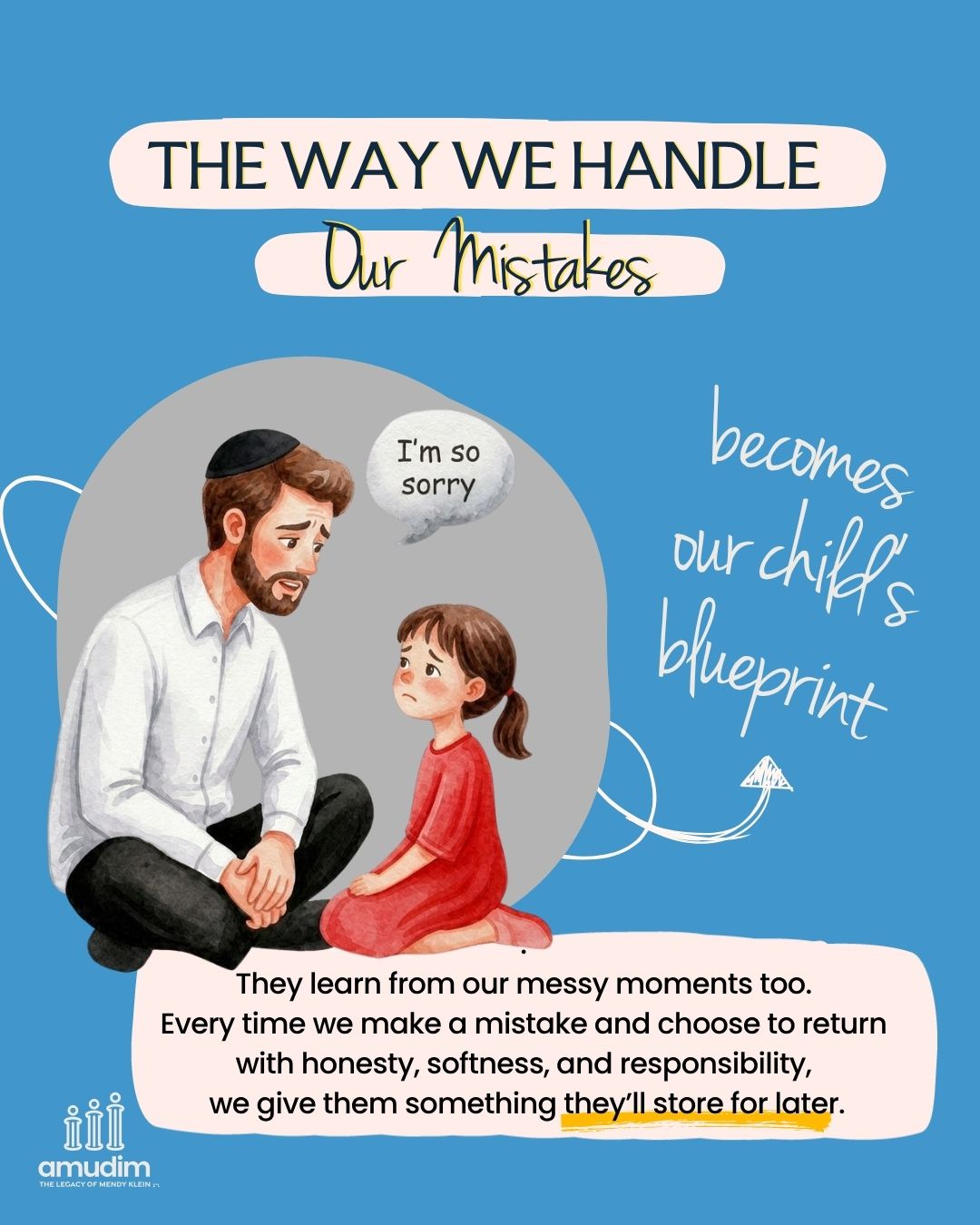
When we go back to say I’m sorry, or sit with them through the hard part instead of trying to rush past it.
When we let our children see that relationships are strong enough to hold a mistake and still be okay, we are modeling to them that repair is always possible and that they can do it too.
Read More
POST
Leading by Example
Our kids are always taking notes – especially in the moments we mess up.
When we show them how we move through our mistakes in real time, it helps shape how they’ll respond when it’s their turn.
Article
Connection Before Consequence
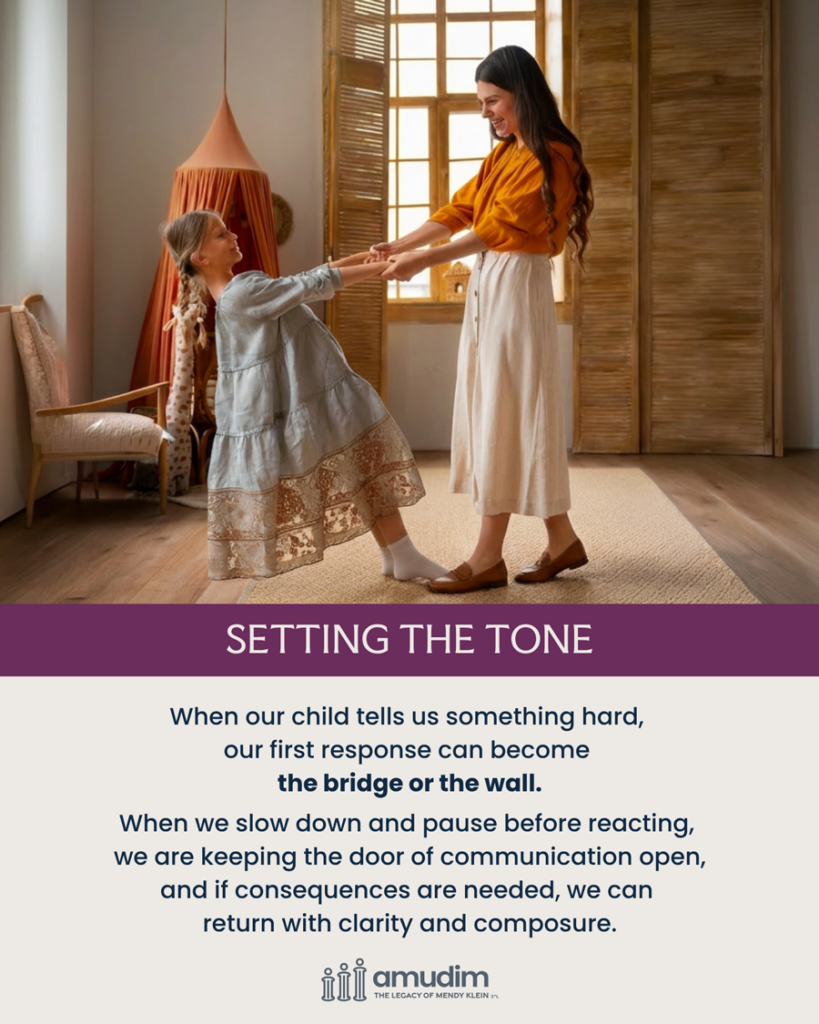
When our child tells us something hard, our first response can become the bridge – or the wall.
This week, we have been talking about accountability and repair.
We began with the way our children learn from how we respond when we are the ones who make mistakes. When we go back, take ownership, apologize, and repair, we show them that a mistake doesn’t have to be the end of the story.
But there is another side to this: Today we will look at what happens when our child is the one who made the mistake.